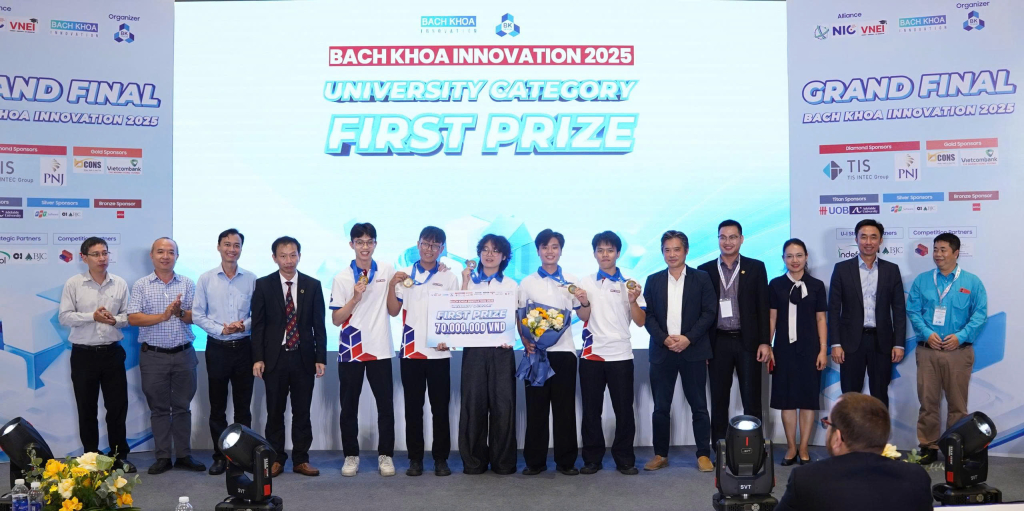
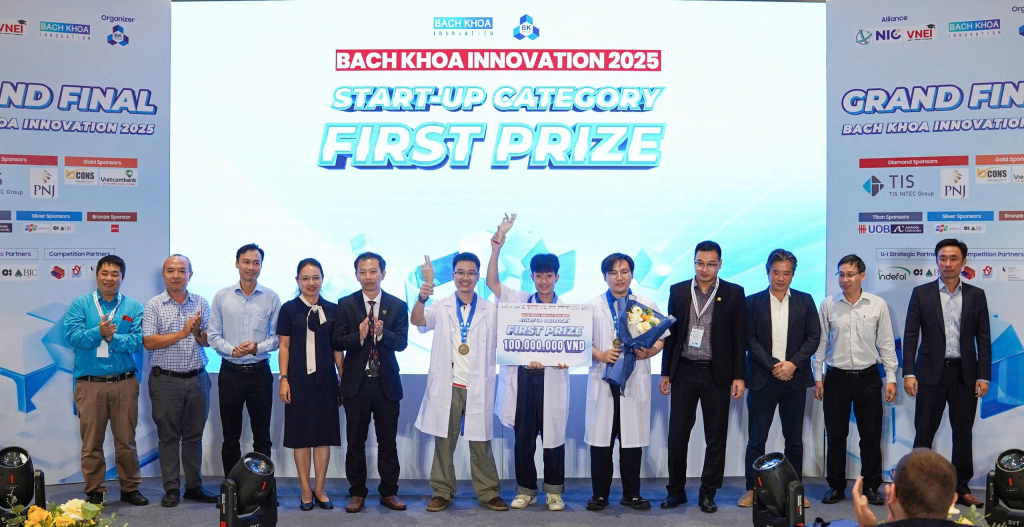
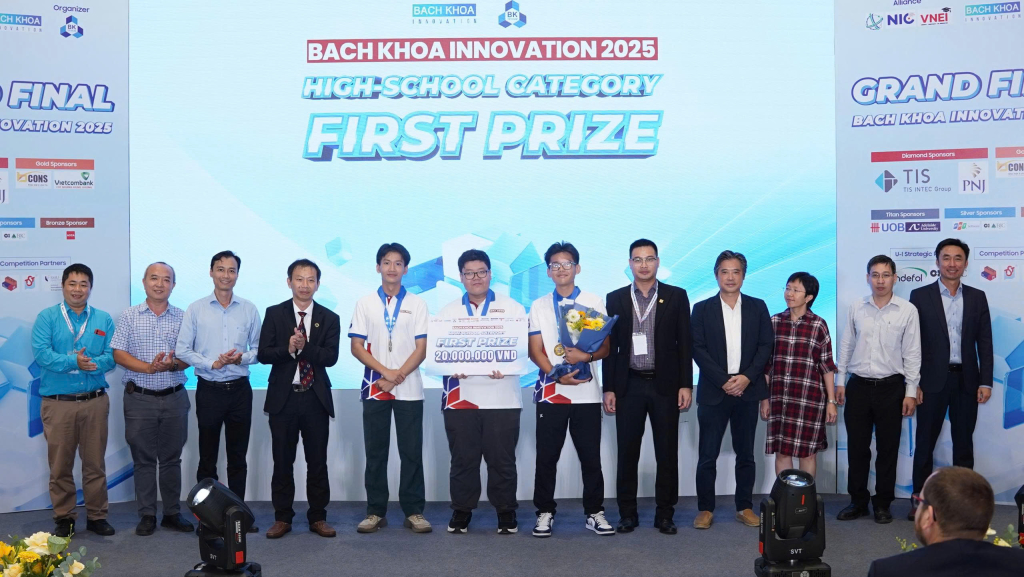
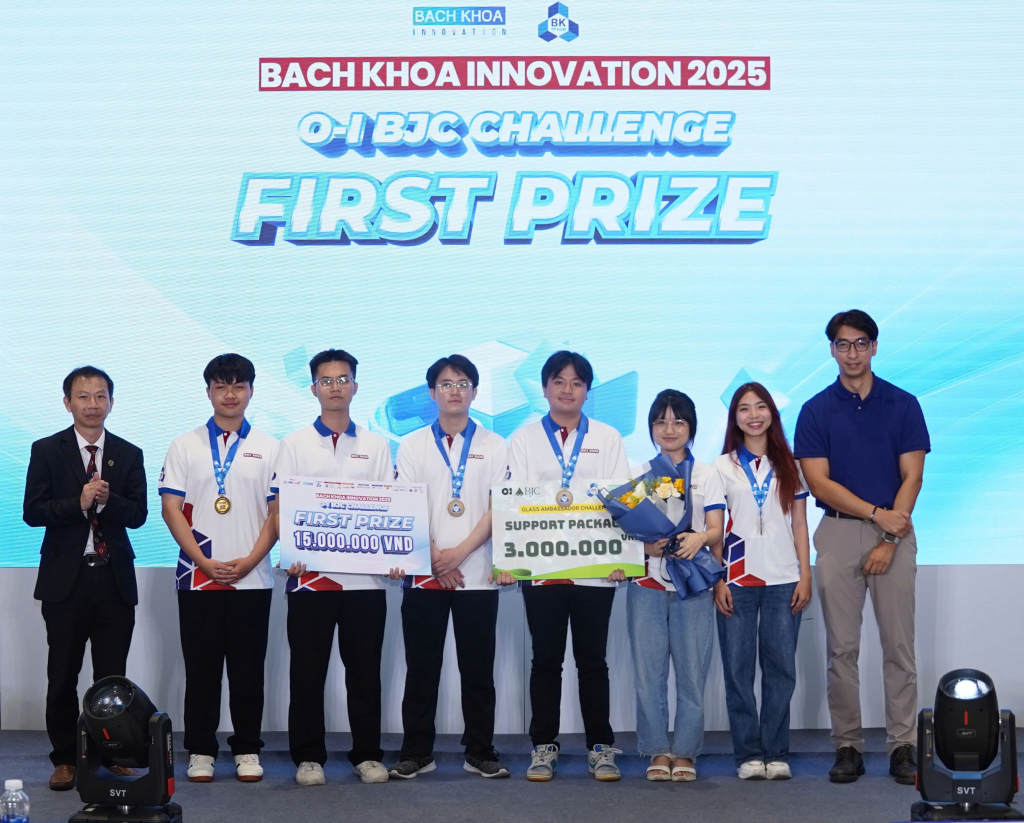
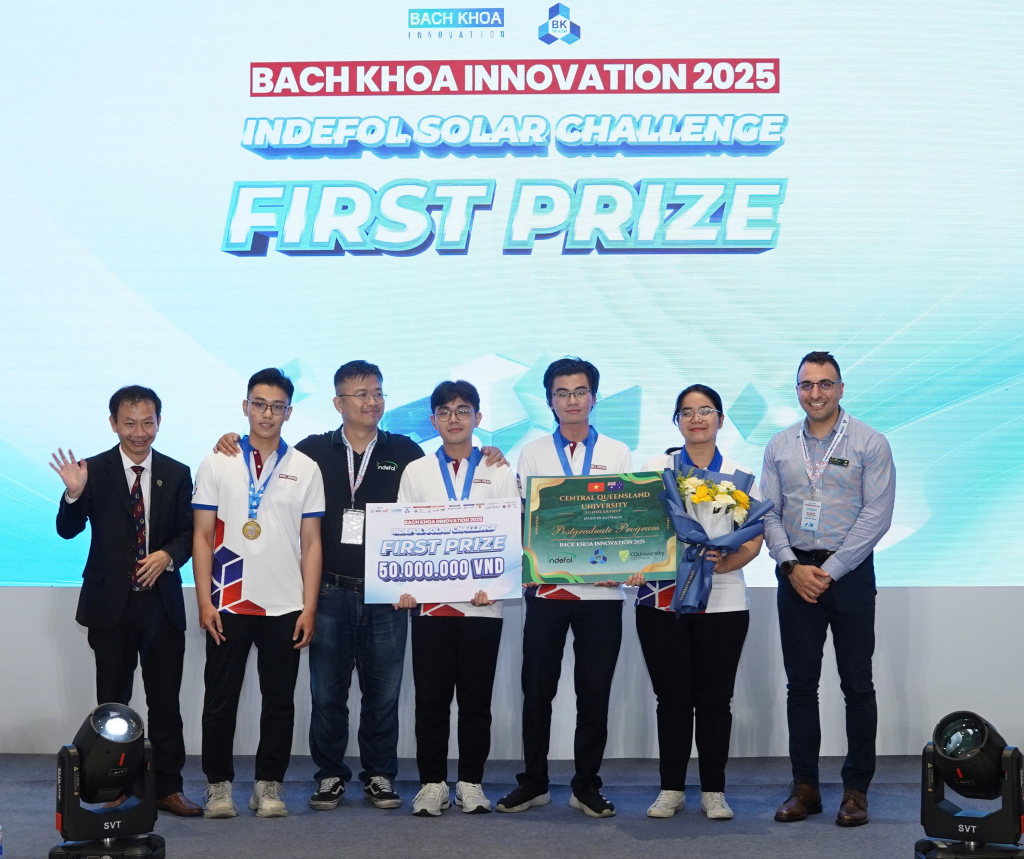
The 8th season of Bach Khoa Innovation in 2025 has recorded the highest number of registered projects in its history – 189 projects, nearly three times the average of previous seasons. In total, over eight seasons since 2018, the competition has attracted 646 projects, involving high school students from 48 schools, university students from 94 universities, and 31 start-up groups from both Vietnam and abroad.
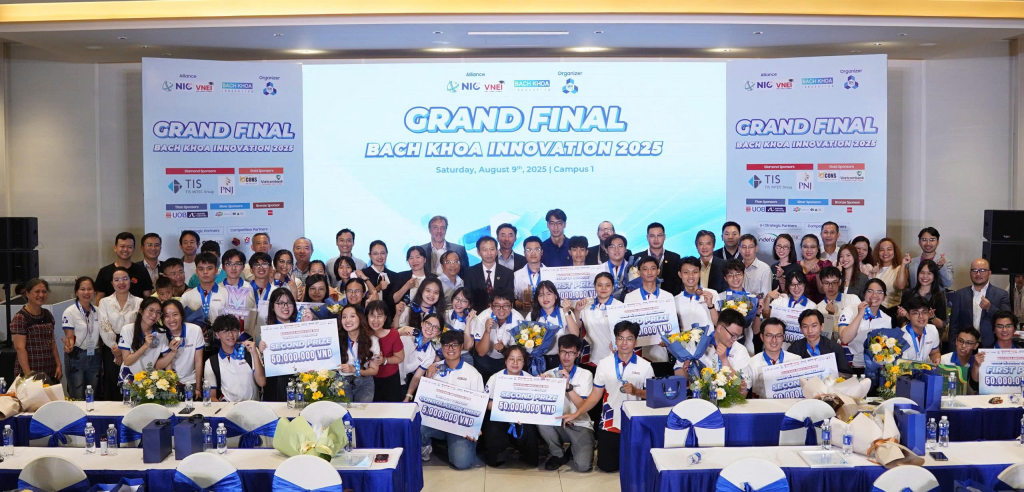
In addition to a breakthrough in project numbers, BKI 2025 marks a new step in international engagement, with strong participation from foreign enterprises, universities, and start-up communities. Notably, 18 teams from India, Indonesia, Hong Kong, Russia, the United Kingdom, Myanmar, France, Japan, and the United States are competing this year. Among them, three teams from Hong Kong, India, and Indonesia have advanced to the Start-up category Final Round. They will receive travel support to Vietnam (for up to two members per team) to directly network and compete with the local young start-up community. Vietnamese teams from Da Nang and northern regions will also receive the same support (up to two members per team).
This reflects HCMUT’s commitment to connecting the start-up ecosystem at both the national and international levels. Alongside international participants, BKI 2025 welcomes many talented contestants from leading Vietnamese secondary and high schools such as Vinh University High School for the Gifted, Tran Dai Nghia High School for the Gifted, and the High School for the Gifted under Vietnam National University – Ho Chi Minh City (VNU-HCM), as well as from top universities such as University of Economics Ho Chi Minh City, Vietnamese-German University, University of Science – VNU-HCM, University of Technology – University of Danang, University of Foreign Languages and Information Technology, and Ho Chi Minh City University of Transport. This diversity enriches entrepreneurial thinking, brings multiple perspectives to problem-solving, and fosters a multidimensional learning environment for all participants.
To further bridge academic knowledge with real-world business and production, Bach Khoa Innovation 2025 has introduced a new competition category — the University–Industry Collaboration (U-I) category. In this category, partner enterprises present challenges directly related to their operations, and participating teams propose suitable technical approaches. This year, two corporate partners, Malaya Glass Vietnam (O-I BJC) and Indefol Solar, are taking part. O-I BJC’s challenge focuses on solutions for recycled glass collection, while Indefol Solar seeks innovative ideas for green hydrogen production.
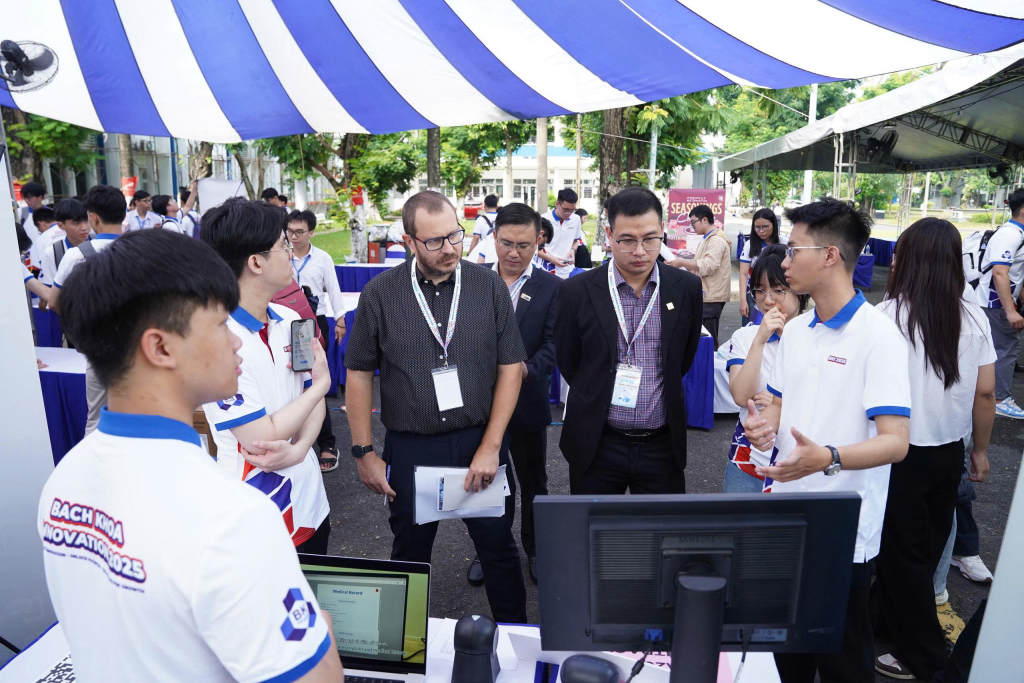
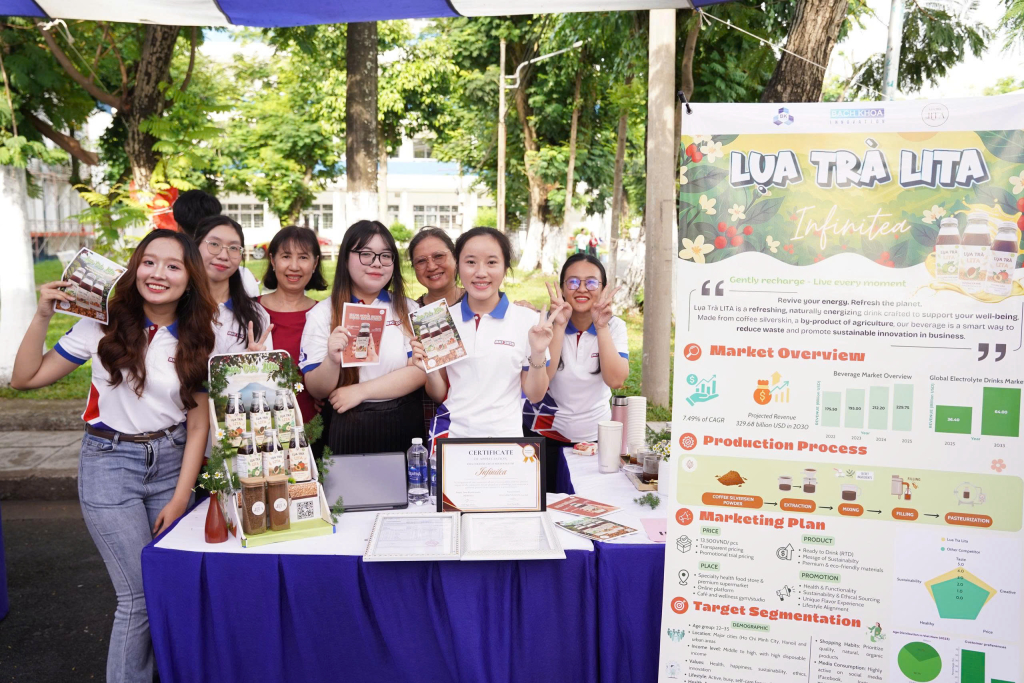
In the University Student category, teams have impressed with projects focused on sustainable development and digital technology. In biotechnology, environmental science, and sustainability, teams have proposed initiatives such as weevil-free rice preservation, odor filtration systems using coffee grounds and zeolite, harvesting energy from speed bumps, and turning jackfruit seeds into nutritious snacks. In the fields of artificial intelligence, automation, and digitalization, teams have introduced solutions such as AI-integrated drones for warehouse inventory, voice assistants for automobiles, and digital prescription management. Socially impactful innovations, such as AI tools for mental health support, AI assistants for the visually impaired, and centralized learning platforms, have also been highly appreciated.
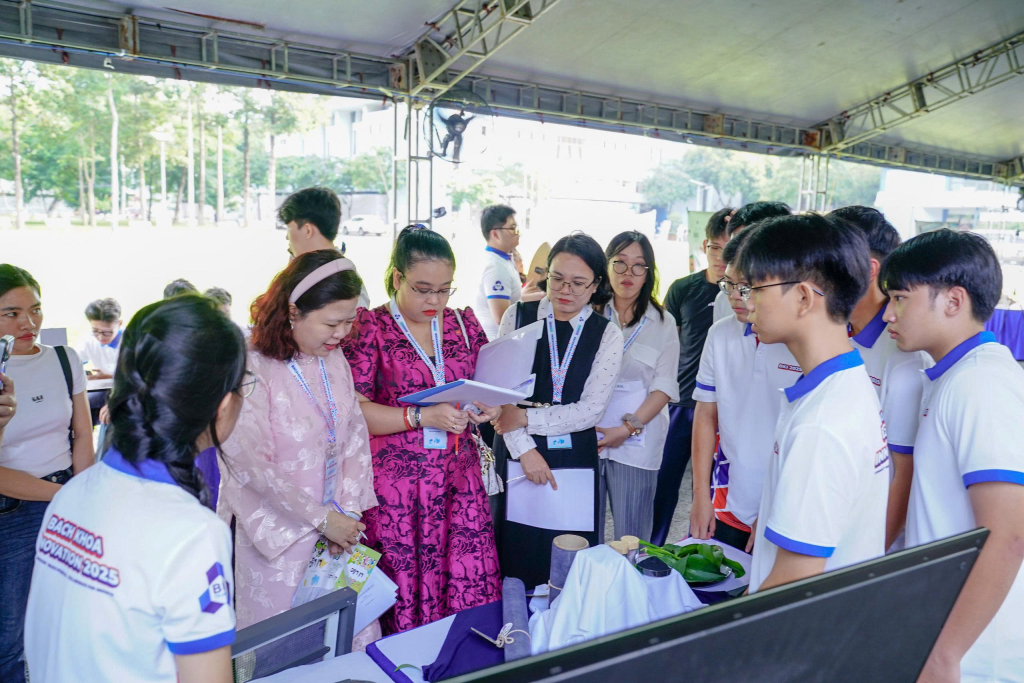
In the Start-up category, projects demonstrate pioneering efforts to apply technology to social and environmental challenges. Notable examples include biodegradable plastic from shrimp shells, graphene oxide membrane applications in desalination, digitalized monitoring of industrial machinery, and rehabilitation technology to restore hand function in post-stroke patients.
In the High School Student category, contestants have addressed environmental challenges with nature-based solutions such as extracting biopolymers from tomato peels to replace polyethylene, fermenting cashew jelly from local agricultural products, and creating a circular carbon ecosystem from water hyacinths. AI–automation projects such as smart glasses for obstacle detection, vibration–light alarm systems for the hearing-impaired, traditional game-inspired educational toys, and tourism apps for Muslim travelers in Vietnam have also made a strong impression.
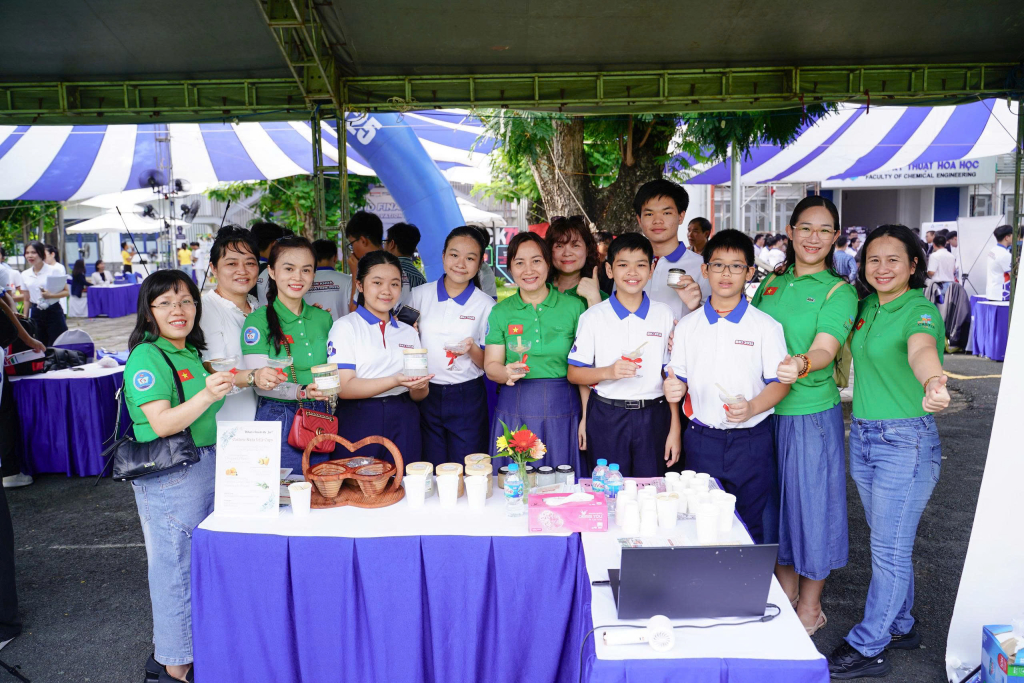
In recent years, the High School Student category has firmly established itself as a core component of Bach Khoa Innovation, consistently presenting fresh, socially conscious ideas and demonstrating a strong commitment to scientific and technical research, as well as the STEM movement as a whole. This aligns with HCMUT’s mission to encourage secondary and high school students to participate in the competition, fostering creative thinking, nurturing a passion for STEM fields, and equipping them with the skills and knowledge needed to become the next generation of technology and engineering talent.