1. General introduction of the Department
Department of Heat and Refrigeration Engineering (HRE), under the Faculty of Mechanical Engineering (FME), Ho Chi Minh City University of Technology (HCMUT) – Vietnam National University, is one of the leading training and research units in Vietnam in many fields of thermal engineering such as: air conditioning, mechanical and electrical engineering, industrial refrigeration, boilers, combustion chambers, drying, thermal power plants, renewable energy (wind turbines, solar energy, etc.), energy saving and efficiency, etc. With an educational philosophy aimed at developing students into complete individuals in terms of intelligence, skills and personality, the Department constantly strives to affirm its leading position.
The Department’s mission is to train high-quality technical human resources with the ability to to work in a multidisciplinary and multicultural environment, effectively contributing to the development of the fields of thermal engineering, refrigeration, energy conservation and renewable energy in Vietnam. In addition, the Department always closely combines training with scientific research and technology transfer, playing an important role in promoting related activities domestically and internationally.
The Department’s training program is comprehensively developed at all three levels: Bachelor, Master and Doctor. The teaching staff is a great strength, including Professors, Associate Professors, Doctors and Masters who are well-trained, have rich teaching experience and have many scientific research achievements. Notably, more than 80% of the lecturers have PhD degrees from prestigious universities in the world such as Canada, Australia, Japan, Russia, Italy, Bulgaria and Korea. Every year, the Department’s teachers regularly participate in scientific research topics at all levels, write articles published in domestic and foreign scientific and technological journals as well as participate in presentations at many scientific conferences and directly train many technical training courses for Enterprises. In addition, through the network of alumni and enterprises that has been developed closely and deeply with the Department, many scholarship award ceremonies, seminars introducing professions and technologies are held every year attracting the participation of a large number of students majoring in Thermal Engineering, thereby helping them improve their knowledge, skills, and understanding more about the profession and upcoming development trends in the jobs they will undertake after graduation.
Graduates of the Thermal Engineering Program have solid professional skills and are able to work in a variety of fields from industrial refrigeration, air conditioning, agricultural and food drying, to thermal power, steam systems, renewable energy and energy management. The demand for human resources in the industry is huge, as demonstrated by the fact that students of the Department are always sought after by leading corporations such as Daikin, Mitsubishi Electric, LG, Samsung, Panasonic, Taikisha, Arico, etc. Many alumni of the major are currently holding key positions in companies or have established their own businesses operating in the fields of design consulting, construction contracting, maintenance and repair… of mechanical – thermal – electrical – refrigeration – air conditioning systems operating across the country. Several typically companies are: SolarBK, BKG, Enerteam, First Green, Hong Nhut Boiler, …
2. History of formation and development
The Department of Heat and Refrigeration Engineering (HRE) was officially established on January 22, 2002. This is the department responsible for training in Thermal Engineering for all levels of training from undergraduate, graduate to PhD of the University of Technology – Ho Chi Minh City National University.
However, historically, it can be said that the Department of Heat and Refrigeration Engineering is one of the few departments that was established earliest at HCMUT and has gone through many different names. Chronologically, if counting from April 30, 1975, the history of HRE can be divided into 3 main stages as follows:
2.1 Period from April 30, 1975 to 1986
Formation and Foundation Stage (After 1975)
The predecessor of today’s HRE is the Department of Heat & Fluid Mechanics, established right after April 30, 1975 on the basis of merging lecturers from Phu Tho Technical Academy (former name of Ho Chi Minh City University of Technology) and lecturers with similar expertise transferred from the North. In the first phase, the department gathered staff from two main sources. Local sources including Mr. Nguyen Thien Tong, Mr. Nguyen Hoang Sang, Mr. Tong, Mr. Thang, Mr. Tam and Mr. Nhan. The team from the North was reinforced with Mr. Le Que Ky, Mr. Tran Thanh Ky, Mr. Hoang Dinh Tin, and later Mr. Pham Duy Hong and Mr. Nguyen Ha Thanh. From this time, Dr. Le Que Ky was appointed as Head of the Department and Mr. Nguyen Thien Tong as Vice Head. A few years later, when Professor Nguyen Thien Tong transferred to the newly established Department of Fluid Mechanics, the Department of Heat & Fluid Mechanics was renamed the Department of Thermal Power & Industrial Heat, continued to be led by Dr. Le Que Ky.
Overcoming difficulties and affirming the pioneering role
In the general difficult context after 1975, the department faced a shortage of human resources and teaching materials. However, this was the period when the pioneering role of the department was clearly demonstrated. As the first unit in the southern provinces to train engineers specializing in thermal equipment, the department not only shouldered the huge teaching load at the school but also effectively supported other schools such as Nong Lam University and the HCMC University of Technology and Education.
An outstanding strength of the department during this period was possessing a strong force of PhDs including Dr. Le Que Ky, Dr. Tran Thanh Ky, Dr. Pham Duy Hong, Dr. Nguyen Thien Tong and Dr. Nguyen Ha Thanh. Along with that, the source of teaching materials for Thermal Engineering is very abundant thanks to textbooks on Heat Transfer, Thermodynamics, Drying techniques were compiled by Mr. Hoang Dinh Tin and Mr. Le Que Ky, later there were additional books on Boilers by Mr. Tran Thanh Ky. These documents not only serve the school but also become a valuable learning resource for the whole region. It can be said that the three lecturers Le Que Ky, Tran Thanh Ky and Hoang Dinh Tin are the ones who laid a solid foundation for the development of thermal engineering in the southern provinces.
Changes in Team Structure and Development
During the period 1978 – 1980, the department received a number of young staff, including Mr. Nguyen Nhut, Nguyen Tan Phuong, Nguyen Son Hai, Nguyen Van Tuyen and Le Chi Hiep, creating a potential next generation.
On September 15, 1978, an important turning point took place when the Faculty of Power Engineering was established by separating the three departments of Thermal Power & Industrial Heat, Automobile/ Tractor, and Construction/Loading Machinery from the Faculty of Mechanical Engineering. The first Board of Directors of the Faculty of Power Engineering included Dr. Truong Minh Ve (Dean of the Faculty), Engineer Tran Van Khang and then Engineer Hoang Dinh Tin (Vice Dean of the Faculty).
After Mr. Tran Van Khang transferred his job, Dr. Le Que Ky was appointed as Vice Dean of the Faculty of Dynamics. At this time, Dr. Pham Duy Hong took on the task of the Head of Department. By the end of 1981, the Faculty of Power Engineering was dissolved and merged back into the Faculty of Mechanical Engineering. During this period, Dr. Pham Duy Hong held important positions such as Vice Dean of the Faculty of Mechanical Engineering and Head of the Materials Department.
In addition to training activities, the lecturers in the department also actively participate in technology transfer activities, contributing to solving many practical problems of society. The two people who organize and direct these activities are Dr. Tran Thanh Ky and Dr. Le Que Ky, affirmed the role of connecting training, research and community service of the department right from the first days of its establishment.
2.2 Period from 1986 to 2002
Realizing the growing need for technology transfer while the Department had no legal status, Mr. Tran Thanh Ky campaigned to establish a specialized science and technology organization. As a result, in 1986, the Research Center for Thermal Equipment and Renewable Energy (RECTERE) was officially established, separated from the Faculty of Mechanical Engineering and directly under the University. Mr. Tran Thanh Ky was appointed as the Director of RECTERE. This is a pioneer in the region from the Central region to the South of Vietnam that operates in both thermal equipment and renewable energy fields, inheriting the initial research on solar and wind energy of Mr. Tran Thanh Ky and Mr. Nguyen Thien Tong.
The period from 1986 to 2002 is considered the boom period of technology transfer activities carried out by RECTERE. The Center’s mark spread throughout the southern provinces, from manufacturing new equipment, repairing, maintaining to training operation. The main product line and brand of RECTERE are small and medium industrial boilers, along with many other special products such as high pressure centrifugal fans, cold dryers, salt water pumps, solar water heaters…
Dr. Tran Thanh Ky is the one who has the greatest contribution in building the reputation and brand for the Thermal industry, while Mr. Nguyen Nhut (Head of Workshop C3) and Mr. Nguyen Van Tuyen (Deputy Head of Workshop) are the ones who directly and effectively implement these activities.
Since 1991, RECTERE has promoted the development of Renewable Energy, becoming the leading unit in the country in the 90s. Typical are the wind engine product lines chaired by Ms. Duong Thi Thanh Luong and the solar water heating system installed by Mr. Le Chi Hiep.
Along with technology transfer, training has also undergone important changes. Previously, the program only focused on “Heat”. To meet the needs of society, RECTERE coordinated and then took over the “Refrigeration Engineering” field from the Faculty of Chemistry, and around 1994-1995, officially introduced the Air Conditioning subject into teaching. This change has shaped the comprehensive Heat – Refrigeration training program as it is today.
This period also witnessed a boom in human resources with the reception of many young staff from domestic and foreign universities, and changes in the team of PhDs. The Center added Dr. Le Chi Hiep, Dr. Hoang Dinh Tin, Dr. Nguyen The Bao, but also said goodbye to Dr. Nguyen Thien Tong (transferred to other department), Dr. Pham Duy Hong (retired) and especially the great loss when Dr. Le Que Ky passed away in 1989.
Many members of the Center were also appointed to important positions and received noble titles. Associate Professor, Dr. Tran Thanh Ky held the position of Vice Rector (1989-1992) and was awarded the title of Excellent Teacher (2000). Associate Professor, Dr. Hoang Dinh Tin also received the title of Excellent Teacher (1994). Dr. Le Chi Hiep held the positions of Head, Deputy Head of the Department of Science, Technology and International Relationships of the University for many years.
2.3 Period from 2002 to present
According to the university’s policy, the Department of Heat and Refrigeration Engineering was officially established on January 22, 2002 with the goal of promoting postgraduate training and scientific research. In the first phase, the RECTERE center still existed in parallel, but all personnel were transferred to the new Department with Mr. Le Chi Hiep as the first Head. In terms of organization, the Department returned to the Faculty of Mechanical Engineering and the undergraduate training program was restructured according to three main orientations: (i) Heat engineering, (ii) Refrigeration & air conditioning engineering, and (iii) Energy efficiency & renewable energy engineering.
One of the greatest and pioneering marks of this period was the development of postgraduate training. Faced with the urgent needs of society, Dr. Le Chi Hiep presided over the project and in 2002, the Department enrolled the first Master’s course in Thermal Engineering. This was the first master’s program in the Southern provinces, becoming the “core” for training high-quality human resources. Many master’s students later completed their doctoral programs and returned to become core lecturers for the Department such as Dr. Vo Kien Quoc, Dr. Phan Thanh Nhan, Dr. Huynh Phuoc Hien…
In terms of personnel, the Department is constantly supplemented with young lecturers and PhDs trained abroad such as Dr. Nguyen Van Tuyen, Dr. Bui Ngoc Hung, Dr. Ha Anh Tung. At the same time, the achievements of the teaching staff are also widely recognized: Associate Professor Dr. Hoang Dinh Tin was awarded the title of People’s Teacher (2010), Mr. Le Chi Hiep was awarded the title of Excellent Teacher (2008) and recognized as Professor (2010), Mr. Nguyen The Bao was recognized as Associate Professor (2018).
This period also witnessed remarkable growth in international cooperation and business connections. This relationship brought many valuable scholarships to students, modern practice rooms sponsored by businesses (Coteccons, Daikin, Takisha, Samsung, Panasonic), and opportunities for internships and graduation projects closely linked to practice. The pinnacle of this development was the Department’s successful accreditation of its training program according to AUN-QA standards in 2018, affirming its quality at the regional level.
Since 2018, under the leadership of the new Head of the Department, Dr. Ha Anh Tung, community engagement activities have been promoted. The HCMUT Heat & Refrigeration Alumni Association and the Alumni Scholarship Fund were established in 2019, creating a strong “Department – Students – Enterprises” ecosystem. Students of the Department have also continuously achieved high awards in national and international academic competitions.
Along with training, scientific research activities and technology transfer is also a strength. Lecturers are often in charge of specialized training courses for businesses and carry out many research projects ordered by major domestic and foreign partners such as LG (Korea), GIZ (Germany), Daikin (Japan), PECC2 (Vietnam). In addition, the Department is also promoting a number of research directions in the field of Renewable Energy such as: improving the efficiency of solar panels, designing and manufacturing small-capacity wind turbines with 100% localization rate, researching new biofuels…
Thus, it can be said that throughout the 50-year historical journey from the Department of Thermal and Fluid Mechanics, the Center for Research on Thermal Equipment and Renewable Energy to the current Department of Heat and Refrigeration Engineering, although some teachers have passed away, some have changed jobs or retired, all lecturers of the Department are united and wholeheartedly devote all their efforts to training the next generation, continuing the good achievements that previous generations have left behind.
3. Strengths and outstanding activities of the Department
The Thermal Engineering Program at the University of Technology (VNU-HCM) has affirmed its position as one of the prestigious and historic engineering training programs. developed for 50 years (up to 2025) in Vietnam. The program is proud of its outstanding strengths, creating a comprehensive learning and research environment for students. Some of the strengths and outstanding activities of the Department of Heat an dRefrigeration Engineering – the management unit of the Thermal Engineering program can be mentioned as follows:
- Pioneering and Prestigious Training Program
With a long history of development, HRE has always been a pioneer in the fields of heat – refrigeration, renewable energy and improving energy efficiency in Vietnam. The program is constantly updated according to international standards (such as AUN-QA), ensuring that the knowledge students receive is both modern and in line with global technology development trends. In parallel with the Bachelor’s – Engineering program at the University level, the Department is also currently managing the Master’s and Doctoral training program in Thermal Engineering, providing a high-quality workforce every year to meet the country’s growing development needs in the direction of building a green, circular economy and reducing emissions that Vietnam is persistently pursuing.
- A team of highly qualified and dedicated lecturers
The core strength of the training program comes from its highly qualified faculty, most of whom have PhDs from prestigious universities around the world. With extensive knowledge and rich experience, lecturers not only impart theory but also act as mentors, inspire and guide students in scientific research activities.
Table 1: List of 11 Teachers of the Department of Refrigeration Technology, updated to September 2025.
| No. | Full name of lecturers | Academic Title – Degree | Place of training |
| 1 | Le Chi Hiep | Prof. | Soviet Union |
| 2 | Nguyen The Bao | Assoc. Prof. | Australia |
| 3 | Ha Anh Tung | Dr. | Canada |
| 4 | Tran Van Hung | Dr. | Bulgaria |
| 5 | Vo Kien Quoc | Dr. | Vietnam |
| 6 | Nguyen Van Hap | Dr. | Korea |
| 7 | Phan Thanh Nhan | Dr. | Italia |
| 8 | Huynh Phuoc Hien | Dr. | Japan |
| 9 | Hoang Thi Nam Huong | M.Sc. | Vietnam |
| 10 | Nguyễn Thị Minh Trinh | M.Sc. | Vietnam |
| 11 | Nguyễn Văn Hạnh | M.Sc. | Vietnam |
- Balanced Theory and Practice Curriculum with many modern practical and experimental equipment
The curriculum is scientifically designed to balance a solid theoretical foundation and practical application skills. Students have access to modern laboratories, participate in project-based learning projects and complete highly applicable graduation projects, helping to transform book knowledge into the ability to solve complex technical problems. Thanks to the use of modern and abundant equipment, students also have many opportunities to participate in registering for scientific research topics under the guidance of Department lecturers.
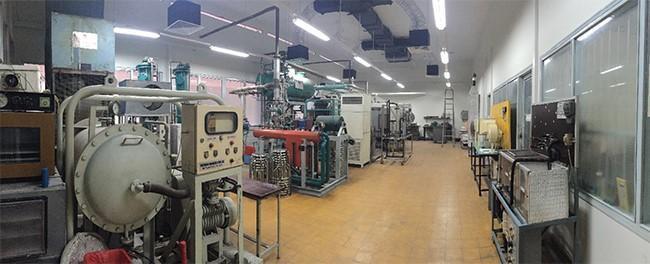
Figure 1: Main practical training area of the Department
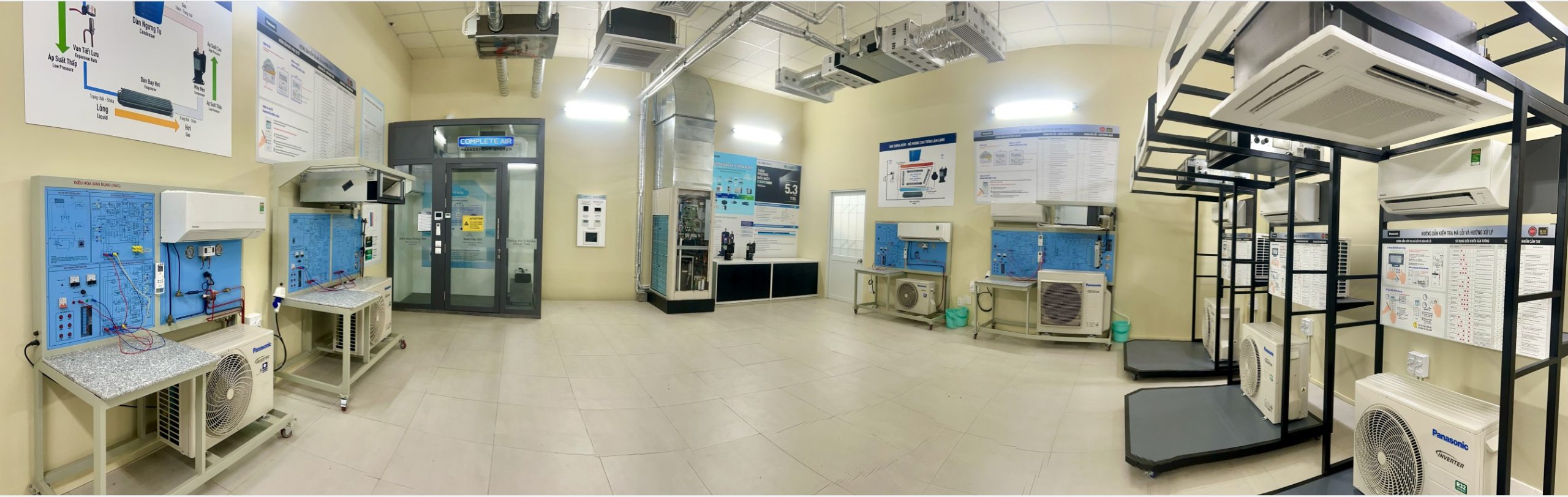
Figure 2: Practical training area sponsored by Panasonic
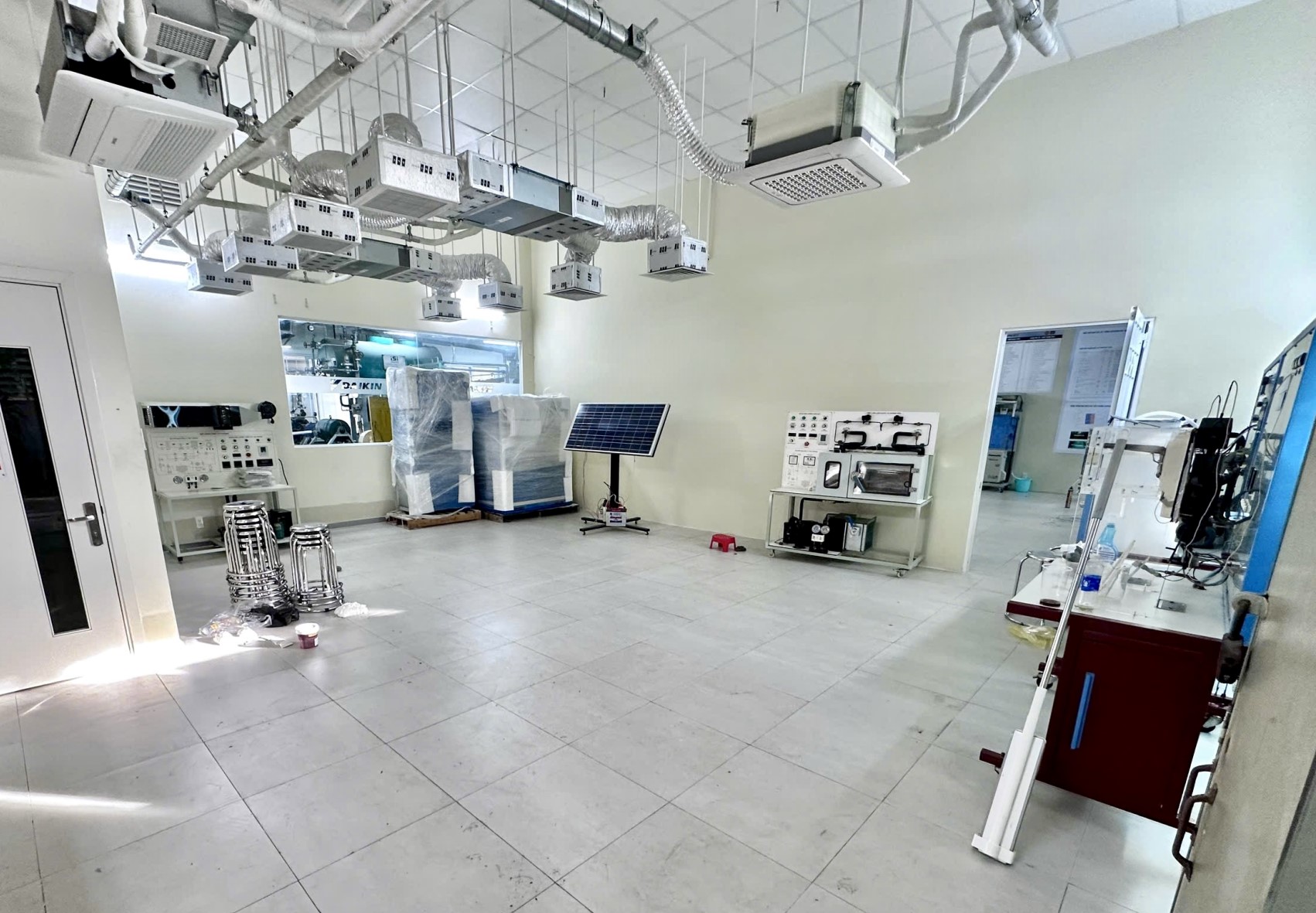
Figure 3: VRF central air conditioning system practical training area sponsored by Samsung
Table 2: List of 46 practical and experimental equipment of the Department
| No. | Equipment / Module Name | Year | Type | Status |
| 1 | Computer for CFD simulation | 2019 | Computer | In use |
| 2 | Humidity sensor -20 ÷ +70°C (for Testo device) | 2018 | Sensor | In use |
| 3 | Temperature & humidity datalogger Testo 176-H1 | 2015 | Device | In use |
| 4 | Air velocity meter Testo 416 | 2018 | Device | In use |
| 5 | 4-channel thermometer | 2019 | Device | In use |
| 6 | Hot water flow meter (<90°C) | 2017 | Device | In use |
| 7 | Thermal & solar radiation meter | 2023 | Device | In use |
| 8 | Bomb calorimeter C200 IKA (calorific value determination) | 2008 | Device | Under maintenance |
| 9 | Ultrasonic flow meter for closed pipes (D903-B1NANE) | 2008 | Device | In use |
| 10 | Air velocity meter Testo 425 | 2008 | Device | In use |
| 11 | Pressure data logger Testo 521 | 2008 | Device | In use |
| 12 | Pressure gauge calibrator 35 bar (7090) | 2008 | Device | In use |
| 13 | Differential pressure monitor Testo 521 | 2008 | Device | In use |
| 14 | Ultrasonic liquid level meter Madison-OMNI | 2008 | Device | In use |
| 15 | Material moisture analyzer MX-50 | 2008 | Device | In use |
| 16 | Thermal conductivity analyzer QTM-500 | 2008 | Device | Under maintenance |
| 17 | Viscometer LVDV-I Prime | 2008 | Device | In use |
| 18 | Rotor-type dehumidifier DT-210 | 2010 | Device | In use |
| 19 | Sample grinder IKA 04301-35 + hard material head | 2010 | Device | In use |
| 20 | Thermal conductivity analyzer TCi v2.0 | 2009 | Device | Under maintenance |
| 21 | Sound level meter Model 40425-10 | 2009 | Device | In use |
| 22 | Refrigerant/gas leak detector Testo 316-4 | 2010 | Device | In use |
| 23 | Supply air flow, pressure, temperature, humidity tester (PH721) | 2010 | Device | In use |
| 24 | Steam trap tester UP 100KT | 2010 | Device | In use |
| 25 | Central AC research unit mod.GCT/EV | 2010 | Device | In use |
| 26 | Dryer UFB 500 | 2010 | Device | In use |
| 27 | Ultrasonic steam flow meter Fluxus G601 | 2010 | Device | In use |
| 28 | Electrical meter HIOKI 3286-20 | 2010 | Device | In use |
| 29 | Furnace FO810 | 2010 | Device | In use |
| 30 | Air velocity meter Fluxe (1) | 2023 | Device | In use |
| 31 | Air velocity meter Fluxe (2) | 2023 | Device | In use |
| 32 | Refrigeration engineering experiment model | 2008 | Module | In use |
| 33 | Heat transfer module – coil heat exchanger UTC-2/EV | 2012 | Module | In use |
| 34 | Shell-and-tube heat exchanger (stainless steel 304) | 2018 | Module | In use |
| 35 | Experimental module: roughened air collector tube | 2024 | Module | In use |
| 36 | Water & air cooling experiment model | 2017 | Module | In use |
| 37 | Water & air chiller | 2023 | Module | In use |
| 38 | Absorption cooling module + PV panel + VT Dual E2200 | 2009 | Module | In use |
| 39 | Aerodynamic duct experiment module | 2016 | Module | In use |
| 40 | Inverter Multi Split air conditioner (R410A, 3.5 kW) | 2016 | Module | In use |
| 41 | Concealed-duct air conditioner Mr. Slim R22 (5.5 kW) | 2016 | Module | In use |
| 42 | Pump practice kit | 2022 | Module | In use |
| 43 | Aerodynamic duct model (B5) | 2023 | Module | In use |
| 44 | Central AC system model – air-cooled chiller | 2023 | Module | In use |
| 45 | Samsung VRF air conditioning system model | 2024 | Module | In use |
| 46 | Biodiesel blind spot determination system | 2017 | Device | In use |
- Close business connection and high employment opportunities for students
The Department always maintains a close cooperative relationship with dozens of leading corporations and companies at home and abroad such as: Daikin, Panasonic, Samsung, Mitsubishi, LG, Midea, Ree, Taikisha, Martech, SolarBK, Arico, First Green, Enerteam… This connection gives students the opportunity to participate in many internship programs, factory tours, seminars with experts from businesses, and many job opportunities right from when they are still in school. This ensures that the training program always keeps up with the requirements of the labor market. In addition, through contributions and sponsorship from the network of alumni and businesses, the Department also regularly receives new equipment and machinery for teaching and builds a Fund of HRE’s Alumni Scholarship providing financial support to Thermal Engineering students from disadvantaged families.
- Rich extracurricular activities help students develop comprehensively
Besides learning and scientific research activities, the Department also regularly organizes sports playgrounds for students of the Thermal Engineering major such as the HRE Energy Open Cup Football tournament, the HRE Cup Badminton tournament, and the HRE 3×3 Basketball tournament. The MACs music Club, founded by students of the Department in 2018, has also grown stronger and stronger, creating a buzz inside and outside HCMUT. In addition, to help students improve their English proficiency, the Department has invested in building a separate English classroom as well as periodically opening free TOEIC English preparation classes.
4. Achievements
- Department lecture achievements
Over the 50-year history of development from 1975 to present, many lecturers of the Department have held many leadership positions in the Faculty and the University, as well as achieved many achievements and awards from the school to the Ministry of Education and the Prime Minister.
Table 3: List of typical lecturers of the Department who received awards
| No. | Fullname of lecturer | Certificates of Merit – Awards |
| 1 | Assoc. Prof. Hoang Dinh Tin |
|
| 2 | Assoc. Prof. Tran Thanh Ky |
|
| 3 | Prof. Le Chi Hiep |
|
| 4 | TS. Hà Anh Tùng |
|
- Department student achievements
In recent years, major corporations operating in the field of Air Conditioning including Panasonic (Japan), Mitsubishi (Japan) and Midea (China) have organized central air conditioning system design competitions for students majoring in Thermal Engineering nationwide. From the first participation until now, students of the Department have always achieved high ranking Awards in competitions.
Table 4: List of Awards recently won by Thermal Engineering students
| No. | Competition | Prize |
| 1 | Design of comprehensive air solutions Panasonic in 2022 | National 3rd Prize |
| 2 | Air Conditioning Design “Sustainable Initiative – Pioneering Total Solutions forGreen Building, organized by Mitsubishi Electric Vietnam” in 2022 | National 1st Prize National 2nd Prize Creative Award |
| 3 | Central air conditioning design organized by Midea in 2023 | National 1st PrizeInernational 1st Prize |
| 4 | Central air conditioning design organized by Midea in 2024 | National 1st PrizeInernational 1st Prize |
5. Main research directions of the Department
In the field of scientific research, the Department focuses on the following main research directions:
- Optimizing refrigeration and air conditioning systems
- Research on 2-phase flow, heat pipes
- Development of drying technologies
- Design and optimization of industrial thermal systems
- Design of new types of wind turbines
- Solar energy applications in power supply – heat generation
- Research on seawater distillation systems
- Efficient use of energy and energy saving
Table 5: List of some recent research topics of the Department
| No. | Project name | Type | Time | Project Manager | |||||
| 1 | Research project to evaluate the impacts on energy savings, ensuring user comfort and carbon neutrality during Daikin equipment operation | Cooperate withDaikin (Japan) | 2024-2025 | Ha Anh Tung | |||||
| 2 | Experimental study on banana stem drying technique using solar energy combined with auxiliary heating | University level | 2024 – 2025 | Nguyen Thi Minh Trinh | |||||
| 3 | Research, design and manufacture of 2- stage coaxial wind turbine | National University type C | 2022 – 2024 | Nguyen The Bao | |||||
| 4 | Research to improve efficiency thermo-hydraulic and exergy in air collector with deflector plates | National University type B | 2021 – 2023 | Nguyen Van Hap | |||||
| 5 | Research on utilizing cold heat from LNG regasification process | Research in cooperation with PECC2 | 2021 – 2022 | Nguyen The Bao | |||||
| 6 | Experimental study of evaporators working in gravity loop heat pipe with finned surface | University level | 2020 | Huynh Phuoc Hien | |||||
| 7 | Evaluation of heat transfer efficiency of horizontal tube boiling process for alternative refrigerant compared to existing refrigerant | University level | 2020 | Phan Thanh Nhan | |||||
| 8 | Research on new roughness in solar air heater to increase thermal efficiency | University level | 2019 – 2020 | Nguyen Minh Phu |
6. Training courses for businesses that the Department has conducted
From 2012 to present, due to the training needs of Enterprises related to many fields of specialized machinery and equipment in Thermal Engineering, Lecturers of the Department have directly participated in training many training courses for hundreds of companies, factories… in many provinces and cities across the country, contributing to improving the capacity of technical staff in enterprises.
Table 6: List of some typical training courses for Enterprises that the Department directly involved
| No. | Training course | Since | Trainer | ||||
| 1 | Energy Auditor – Certified by the Ministry of Industry and Trade | 2014 – present | Ha Anh TungNguyen Thi Minh Trinh
Tran Van Hung Huynh Phuoc Hien Nguyen Van Tuyen |
||||
| 2 | Energy Management – Certified by the Ministry of Industry and Trade | 2014 – present | Ha Anh TungNguyen Thi Minh Trinh
Tran Van Hung Huynh Phuoc Hien Nguyen Van Tuyen |
||||
| 3 | Ventilation and heating for building | 2015 – present | Ha Anh TungPhan Thanh Nhan | ||||
| 4 | Boilers and combustion equipment | 2019 – present | Vo Kien QuocHa Anh Tung
Nguyen Van Tuyen |
||||
| 5 | Refrigeration and air conditioning systems | 2016 – present | Ha Anh TungNguyen Thi Minh Trinh
Huynh Phuoc Hien Nguyen Van Hanh |
||||
| 6 | Hydraulic system | 2012 – present | Ha Anh Tung | ||||
| 7 | Safety in confined space | 2013 – present | Ha Anh Tung | ||||
| 8 | Heat exchangers | 2015 – present | Ha Anh TungVo Kien Quoc |
7. Some pictures of the Department’s activities
- Scholarship Award Ceremony and Seminar
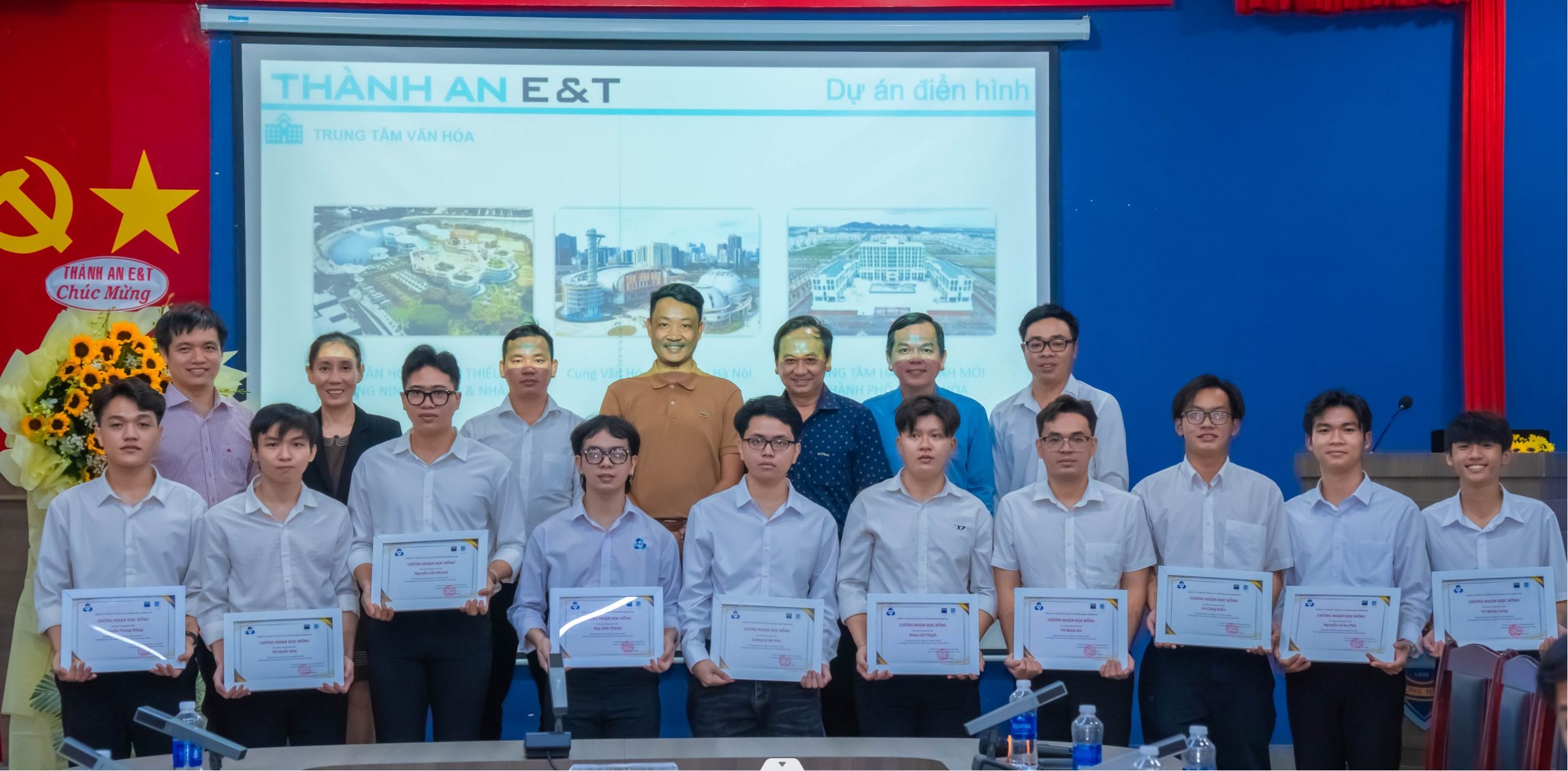
Figure 4: Scholarship Award Ceremony and Workshop of Thanh An E&T Company in April 2025.
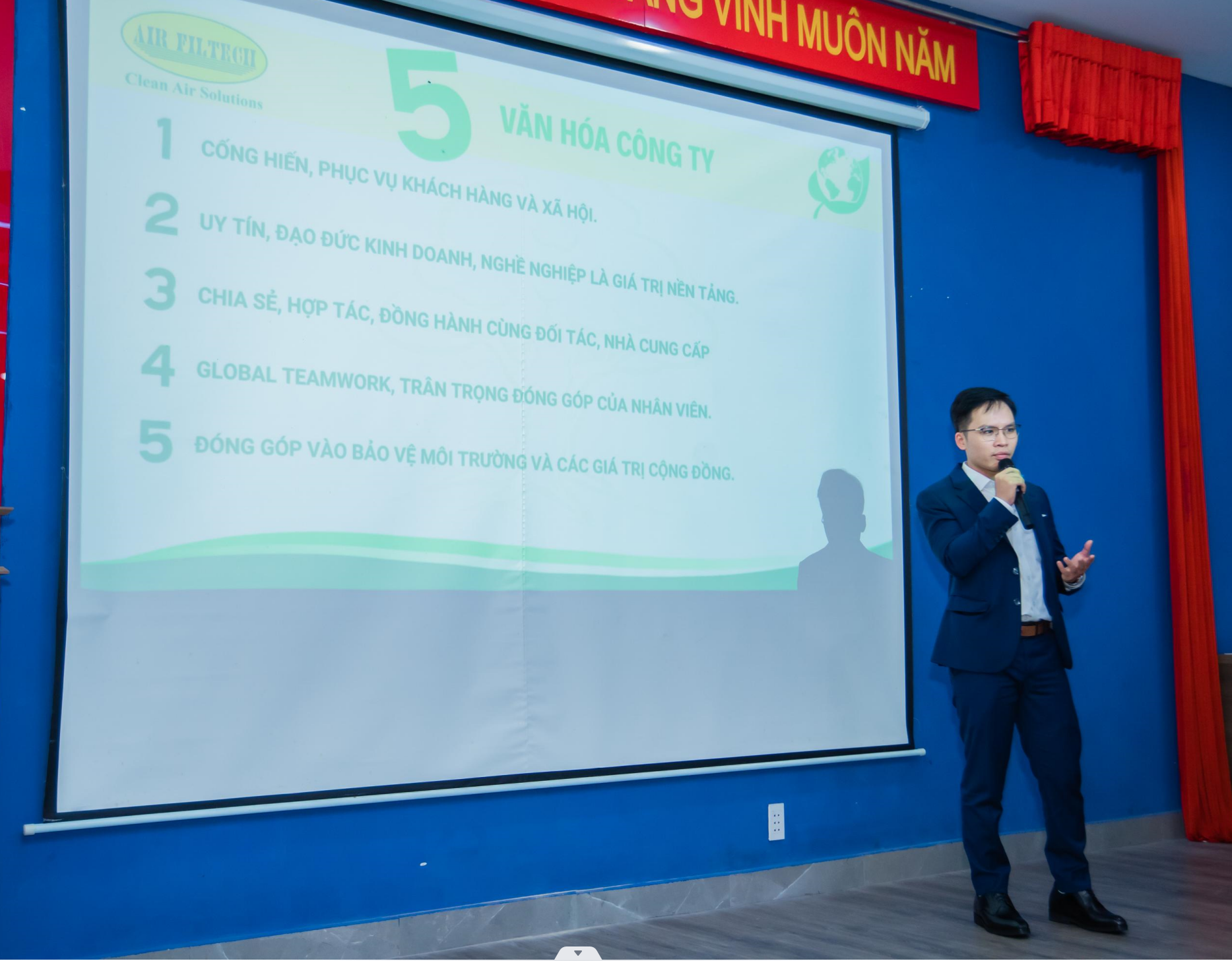
Figure 5: Air Filtech Company’s Workshop and Scholarship Award Ceremony in March 2025.
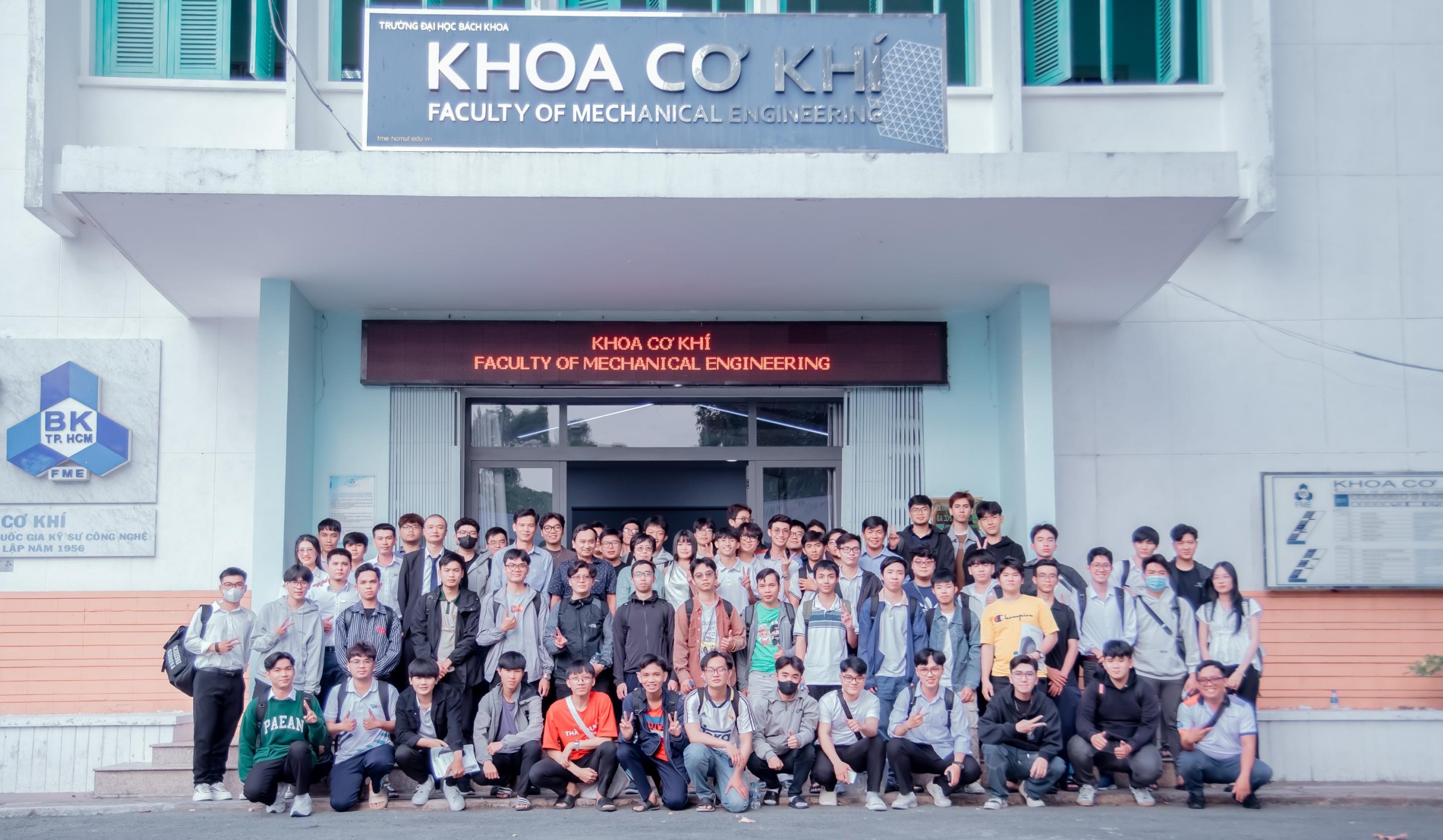
Figure 6: Dr. Fan Company Scholarship Award Ceremony and Workshop in February 2025.
- Cooperate with domestic and foreign businesses, organizations and universities
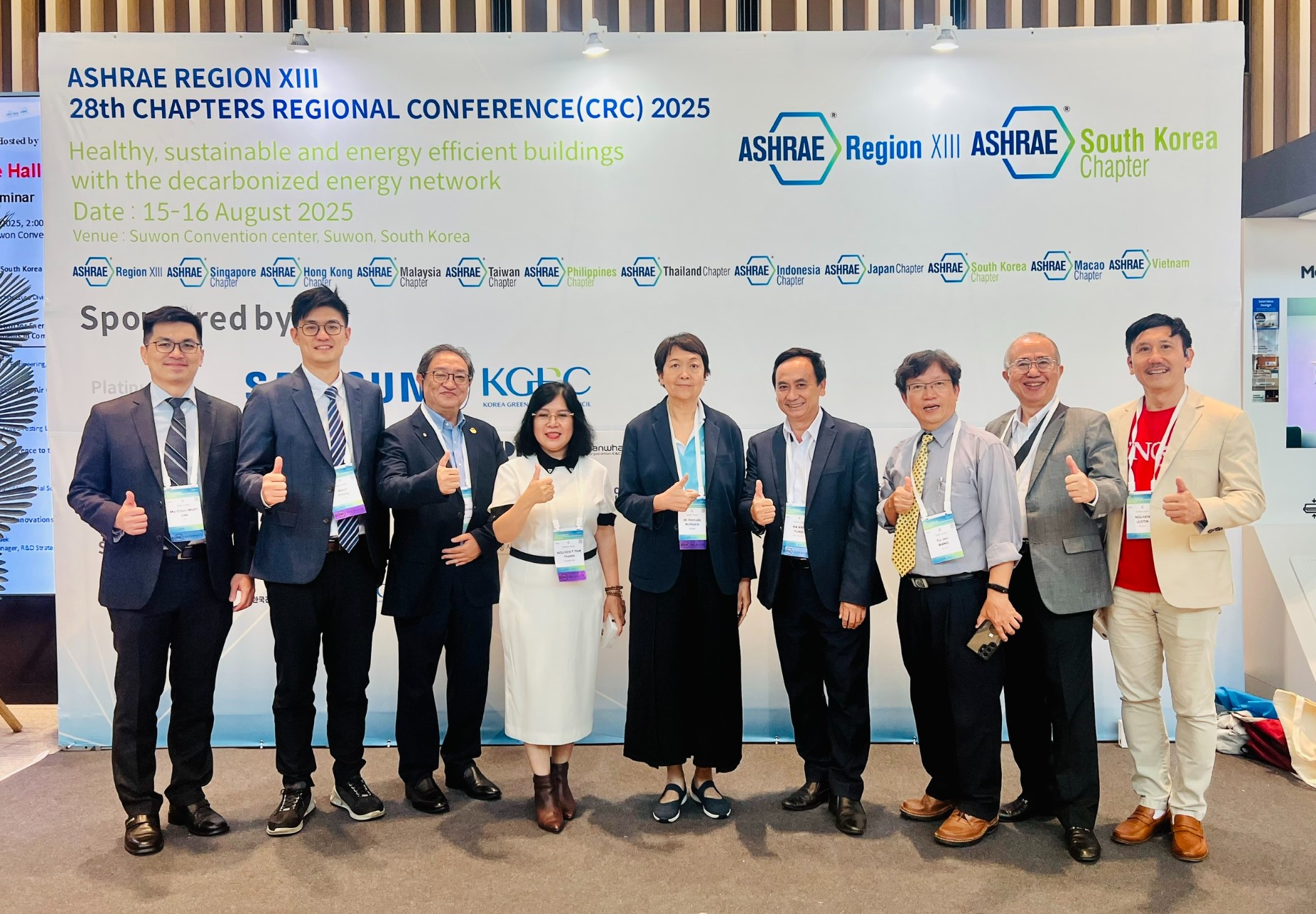
Figure 7: Attending ASHRAE’s Region 13 Conference in Korea in August 2025.
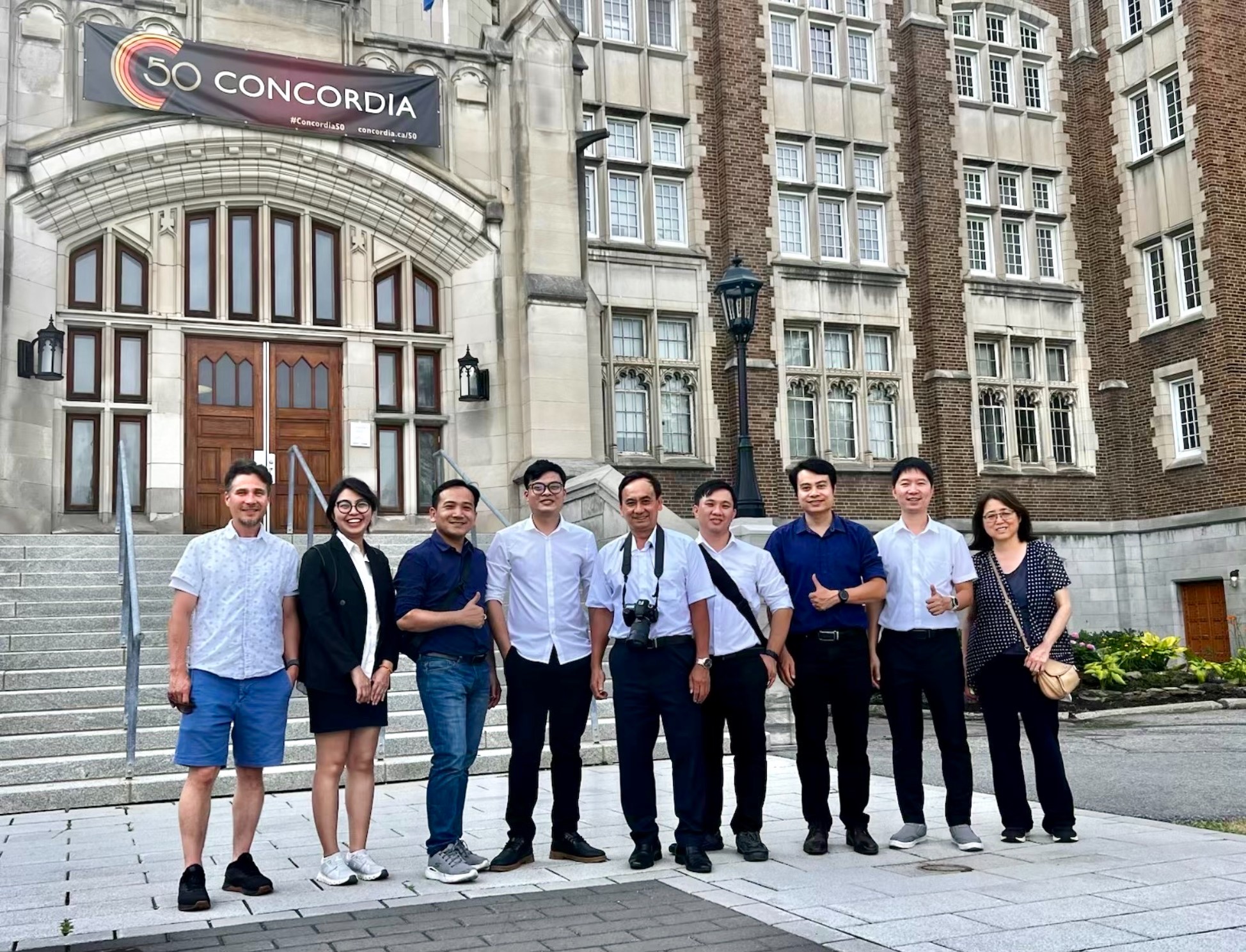
Figure 8: Scientific research cooperation with Concordia University, Canada in 7/2025.
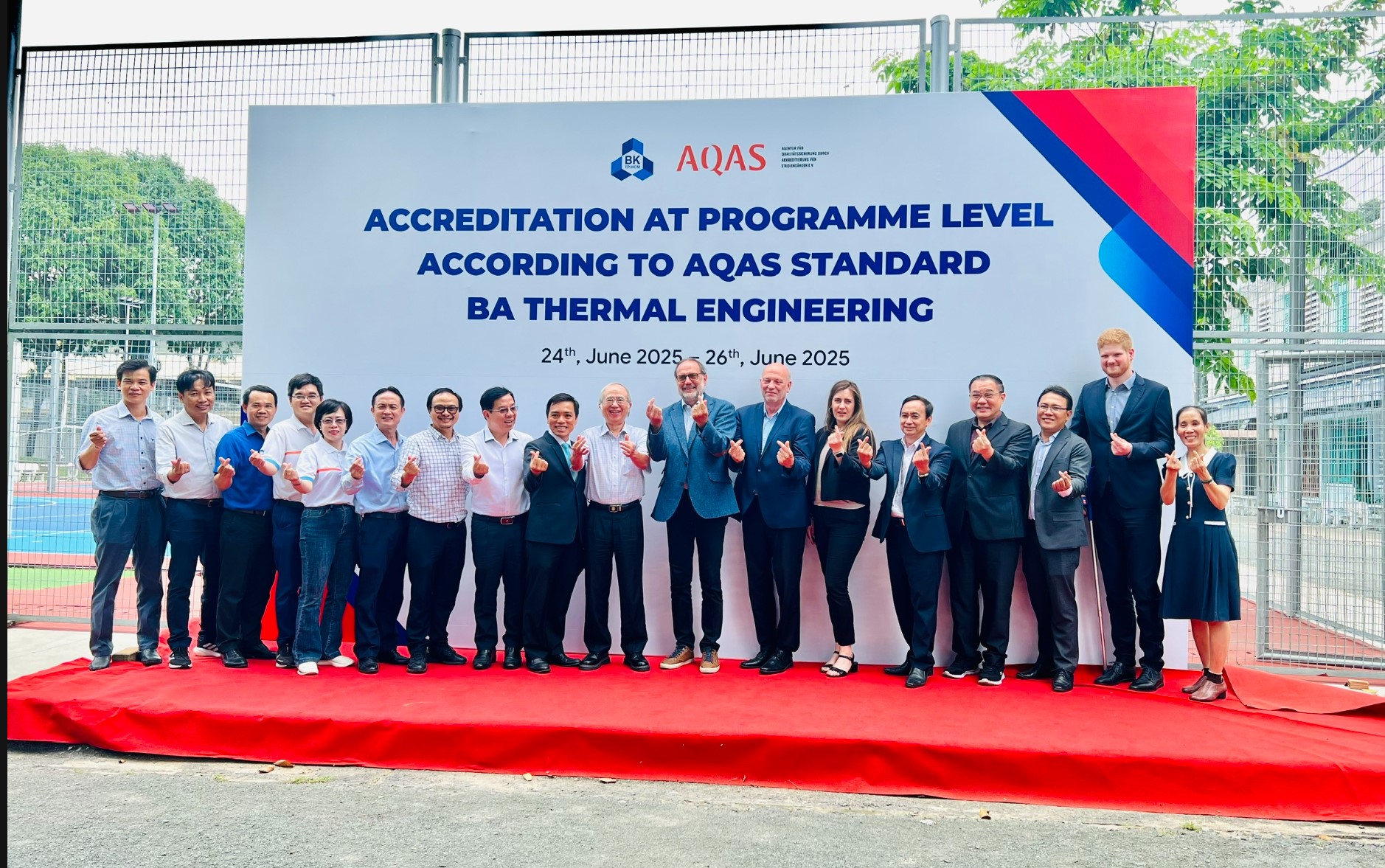
Figure 9: Thermal Engineering training program accreditation according to German AQAS standards in June 2025.
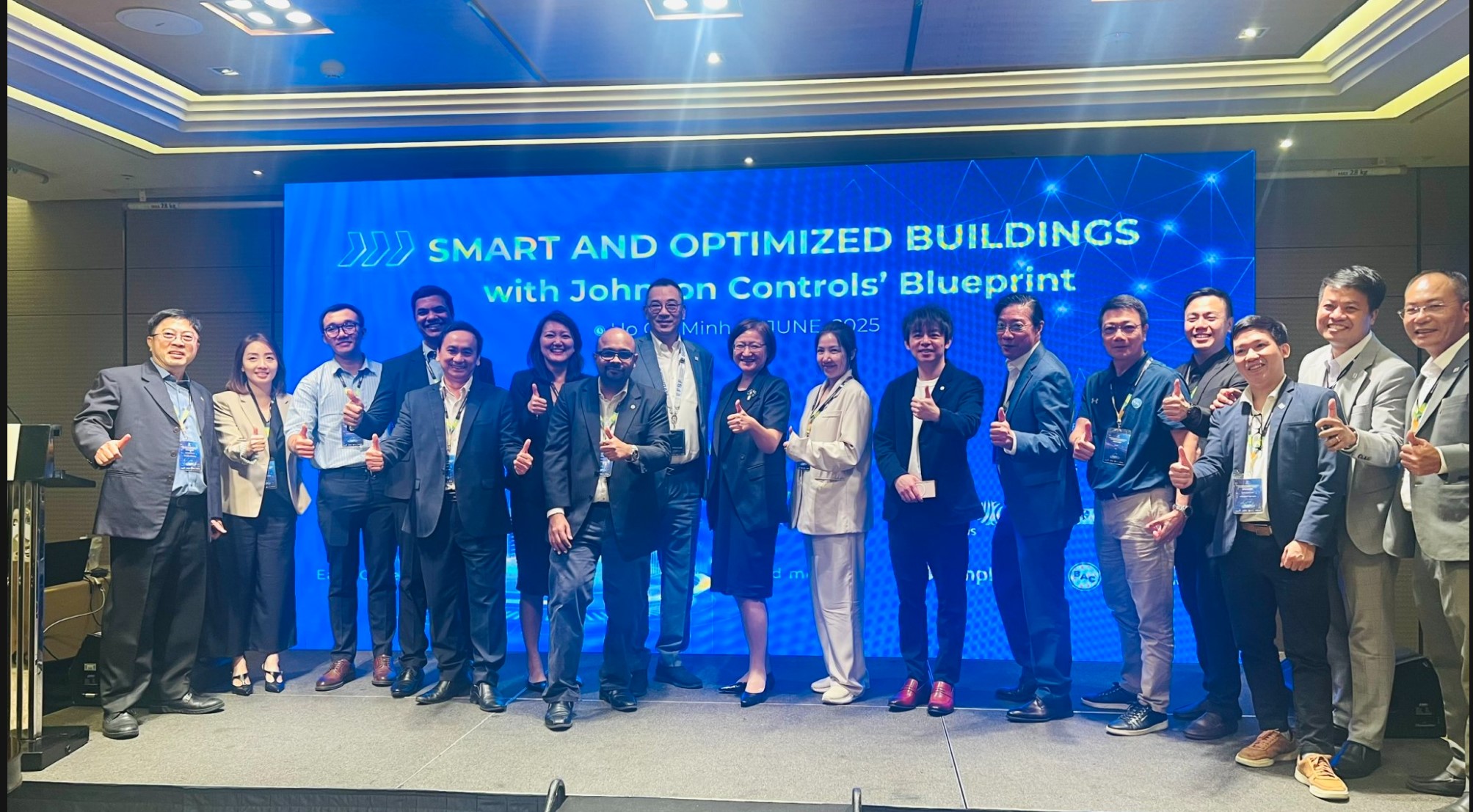
Figure 10: Smart Building Workshop with domestic and foreign companies in air conditioning field in June 2025.
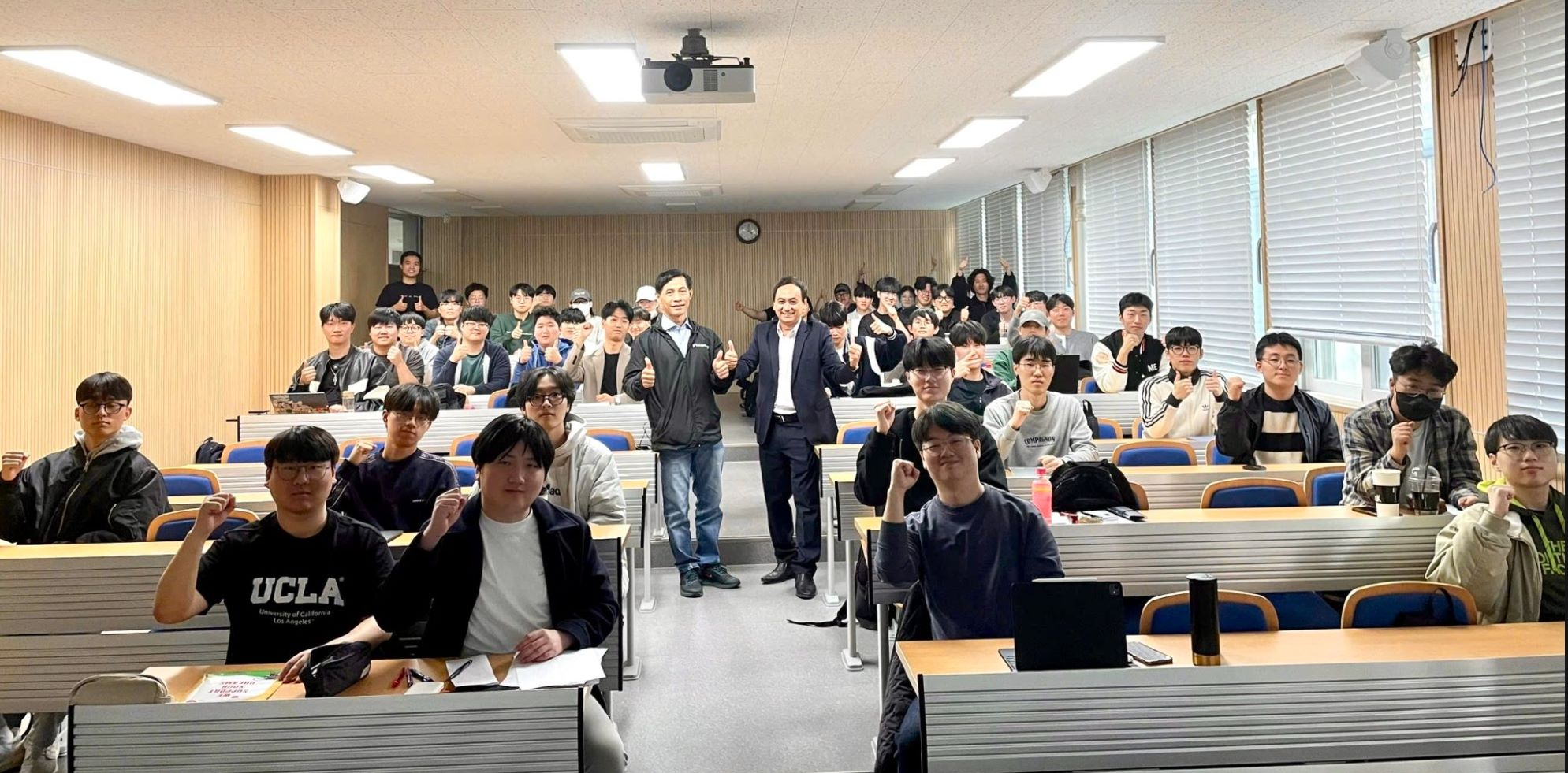 Figure 11: Visiting lecturer at Kyungpook National University, Korea in 3/2025.
- Visit factories and businesses
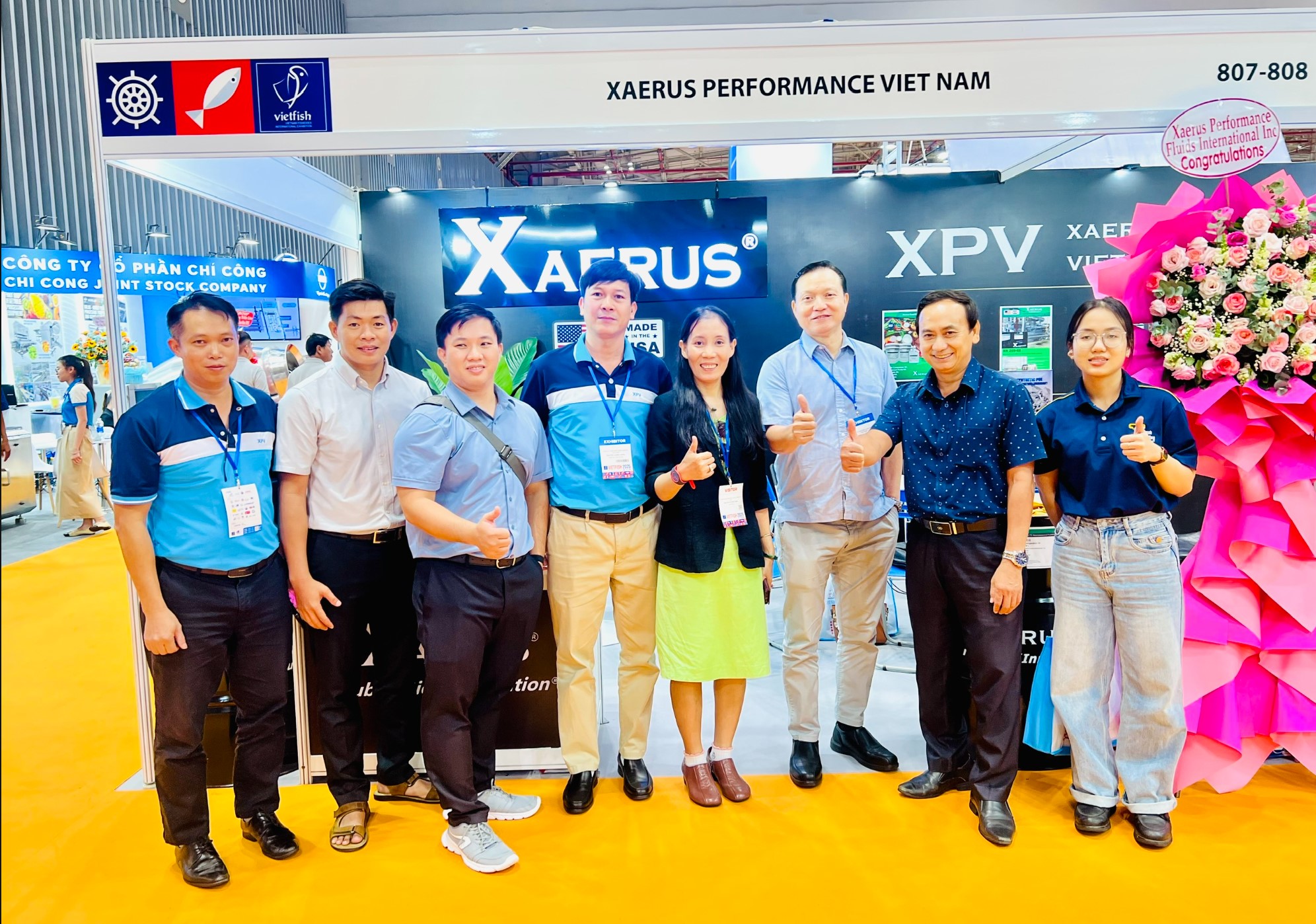
Figure 12: Visiting Vietfish Exhibition Fair in August 2025.
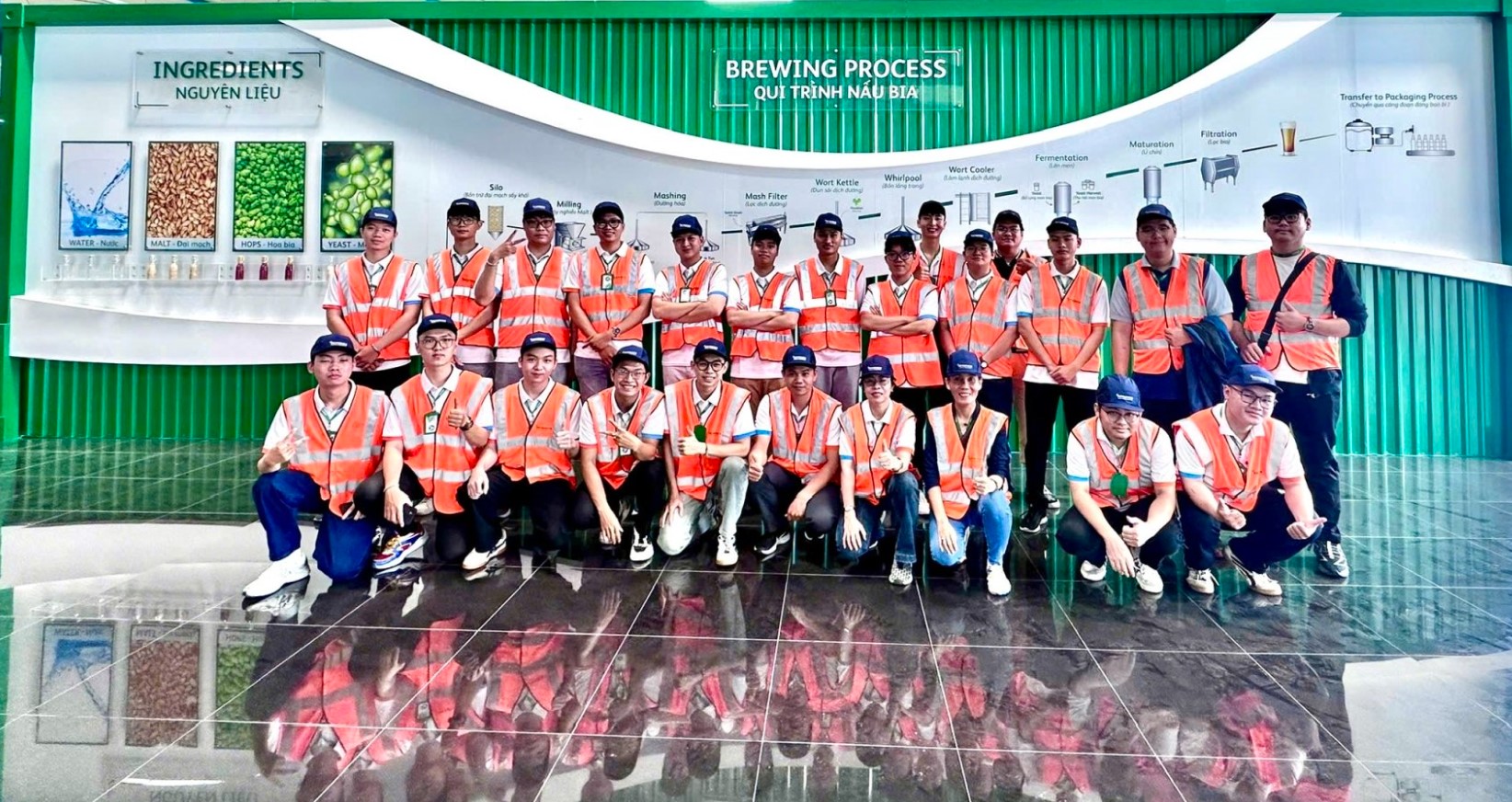
Figure 13: Taking students on a tour of the Heineken Vung Tau brewery in April 2025.
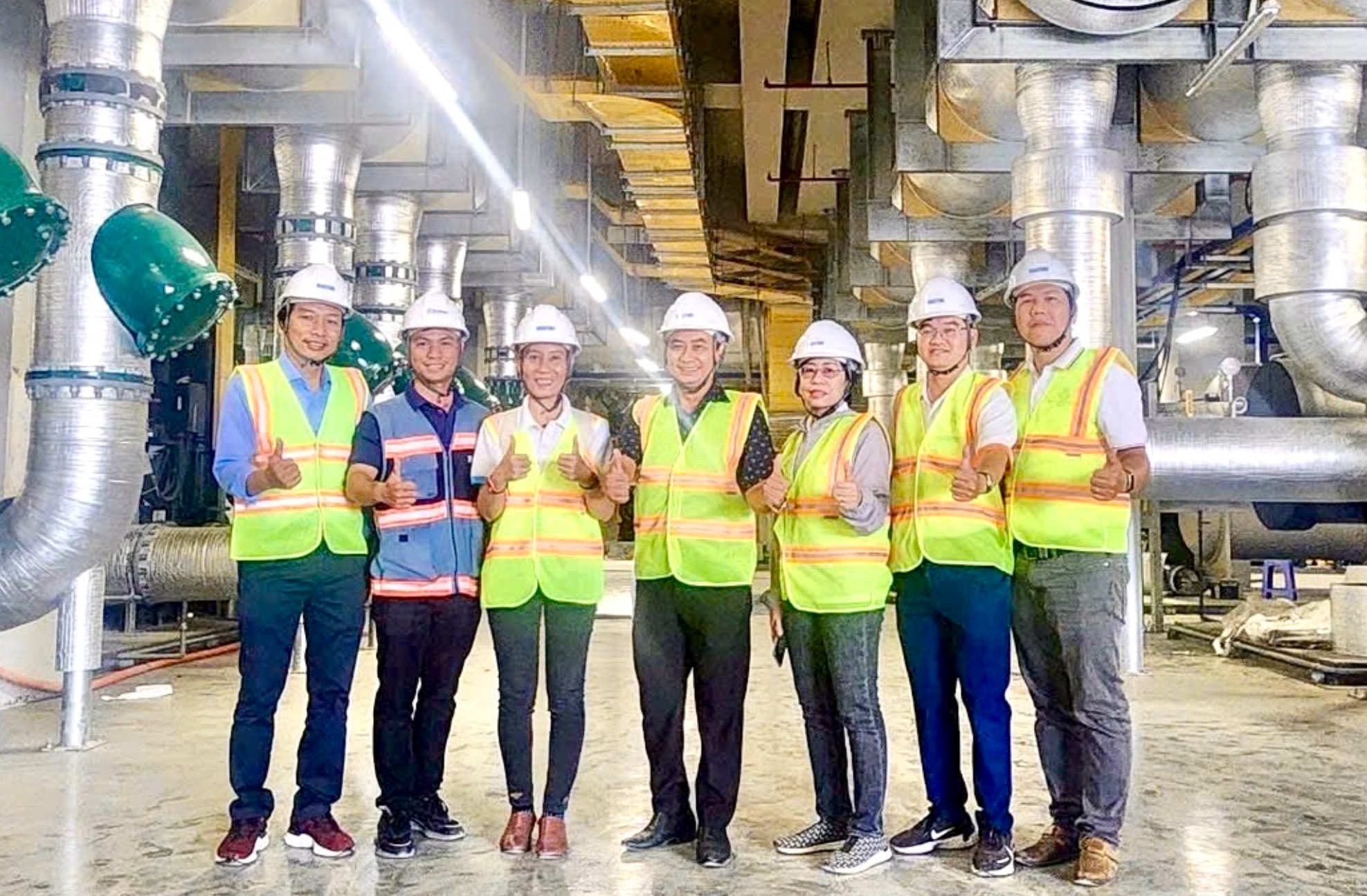
Figure 14: Visiting the central air conditioning system at Terminal T3, Tan Son Nhat Airport in March 2025.
- Sports and music activities for students
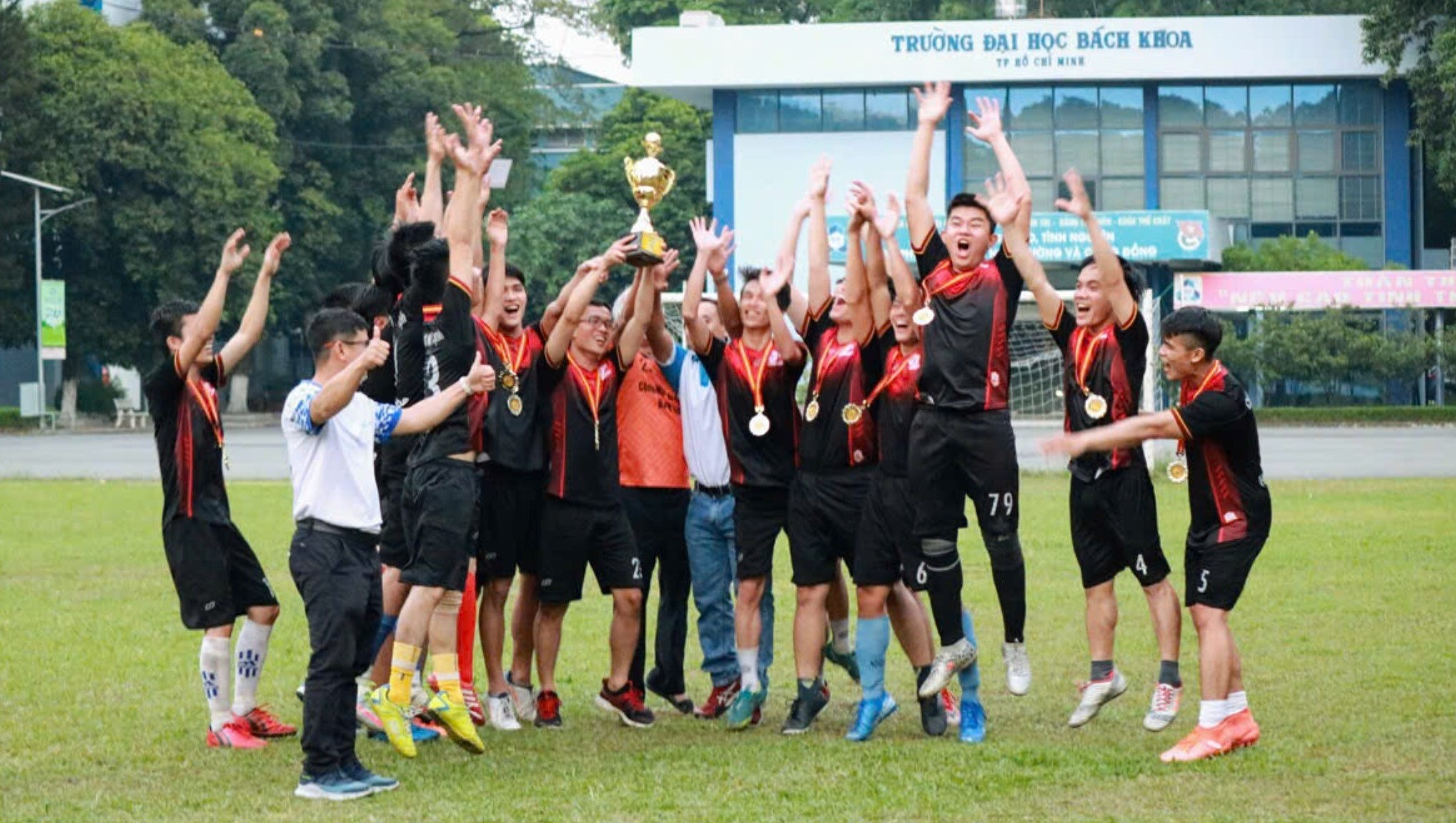
Figure 15: Annual HRE Energy Open Cup soccer tournament for Thermal Engineering alumni, students and businesses.
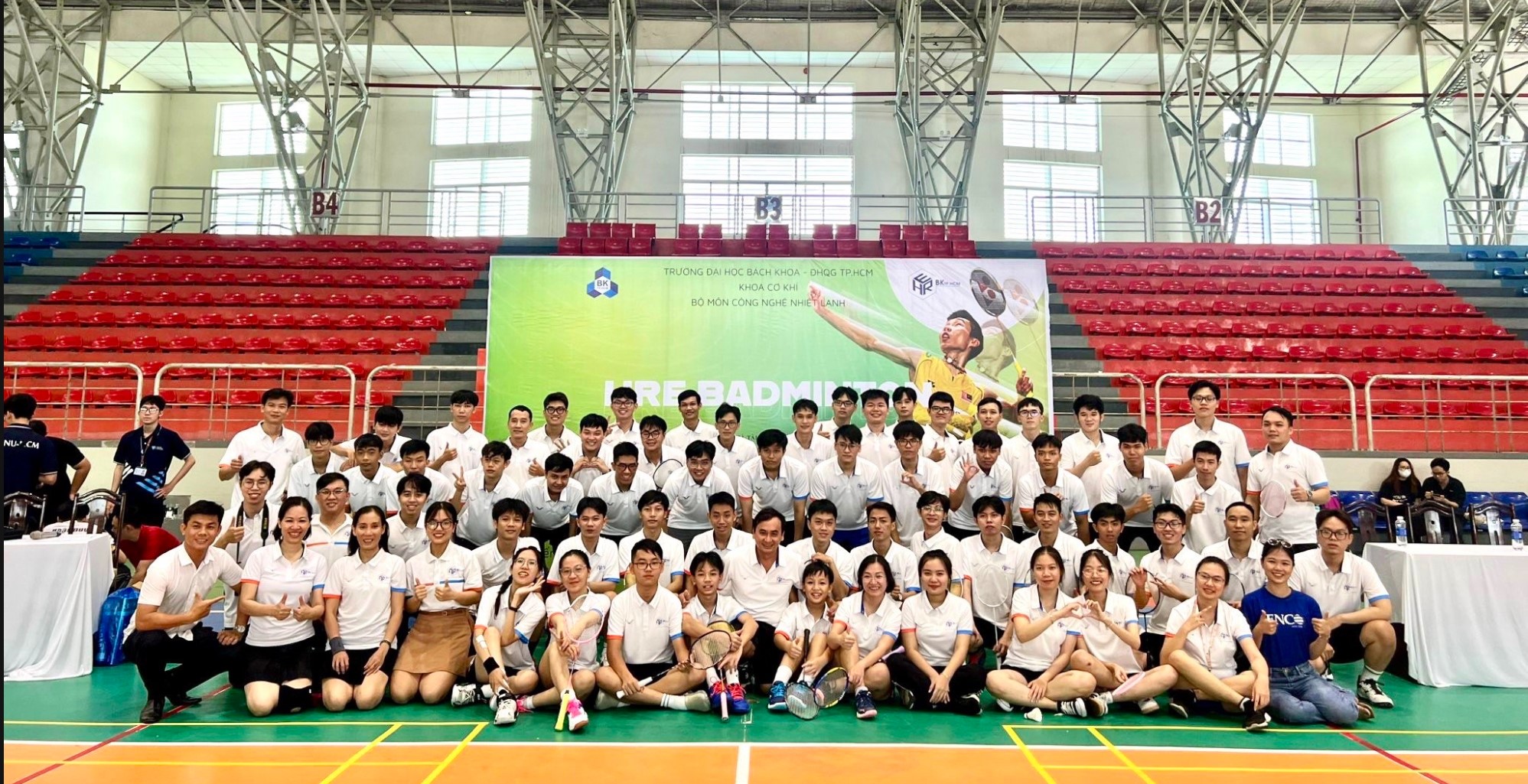
Figure 16: Annual HRE Open Cup badminton tournament for Thermal Engineeing students.
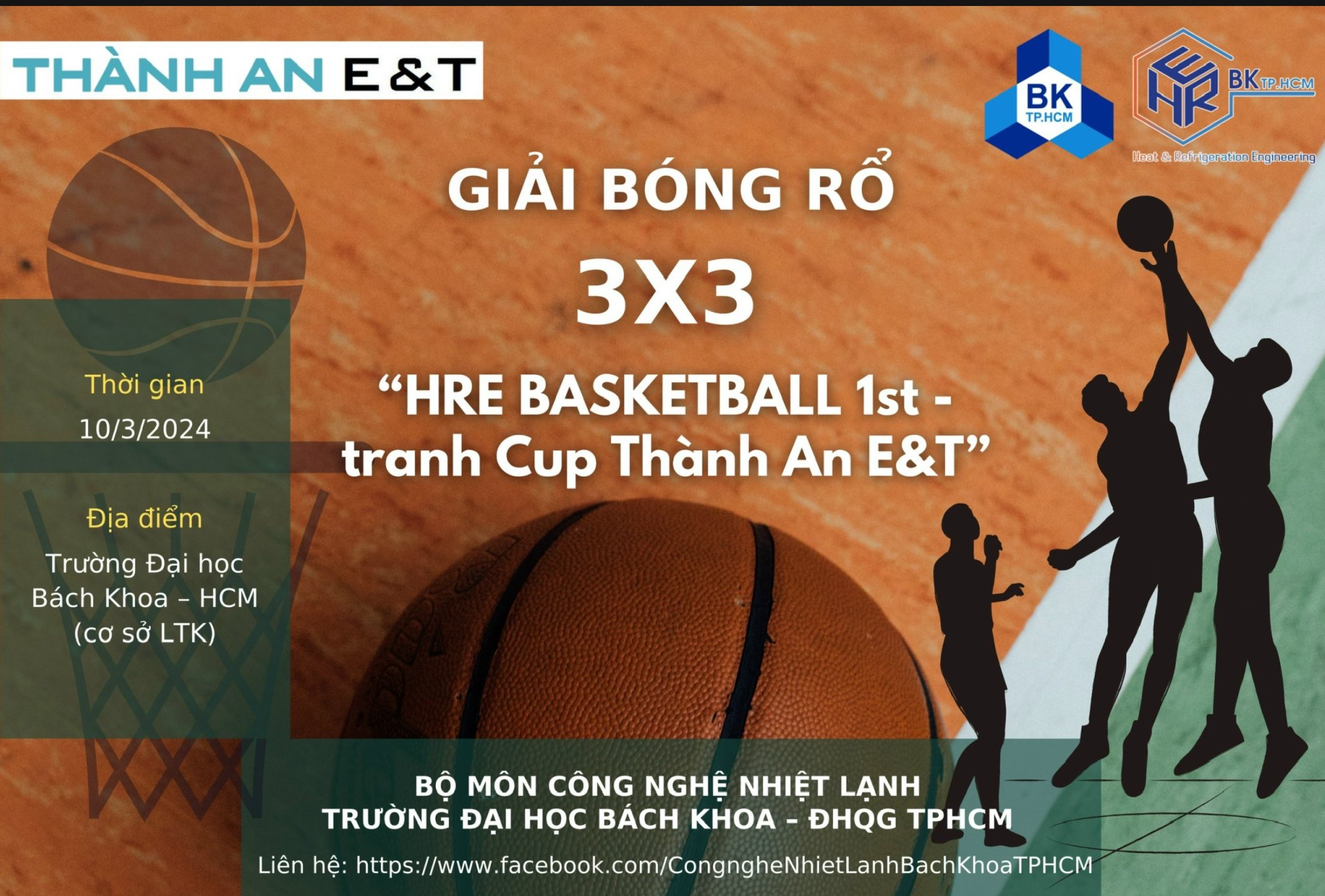
Figure 17: Annual HRE Basketball 3×3 tournament for Thermal Engineering students.
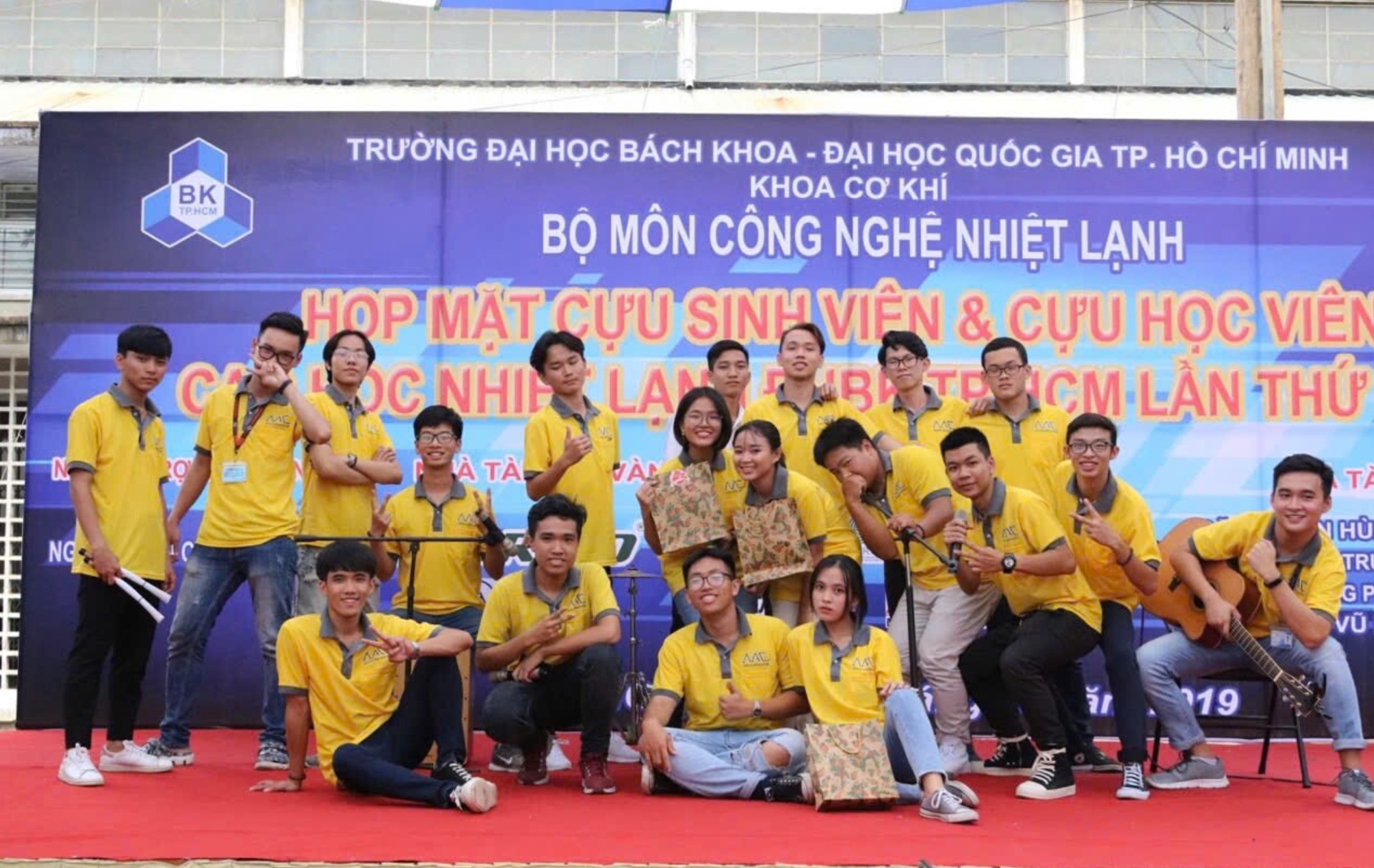
Figure 18: MACs Music Club of the Department
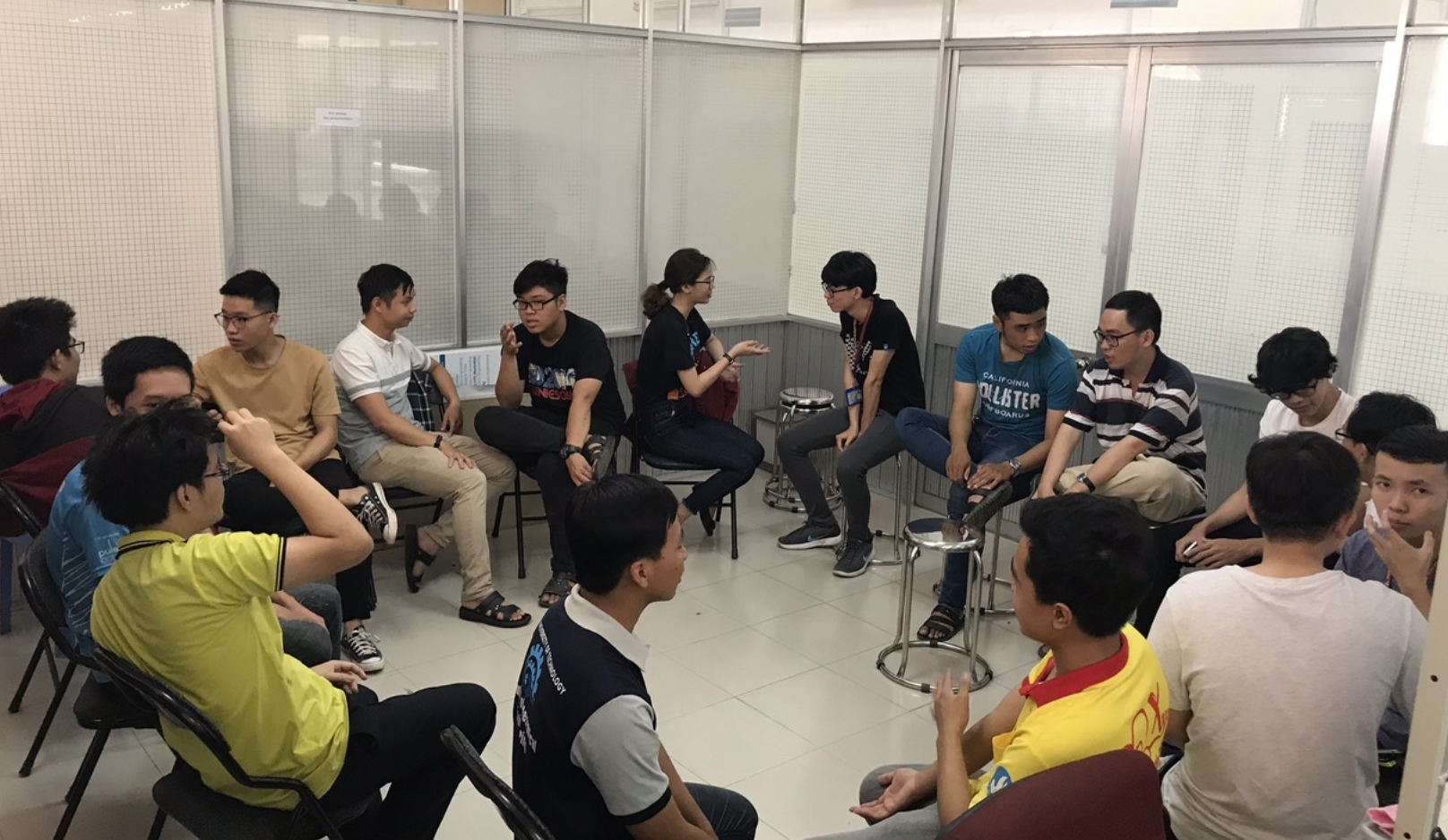
Figure 19: English communication club at the Department
- Admissions consulting activities
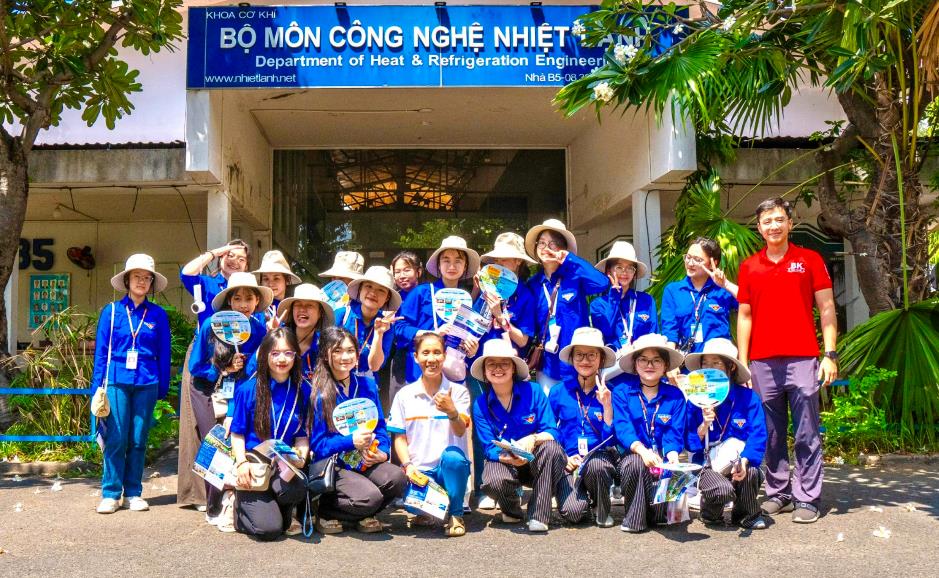
Figure 20: High school student admissions consulting activities at the Department in April 2025.
